
Electrolytes: Vital for Hydration and Performance of Senior Triathletes
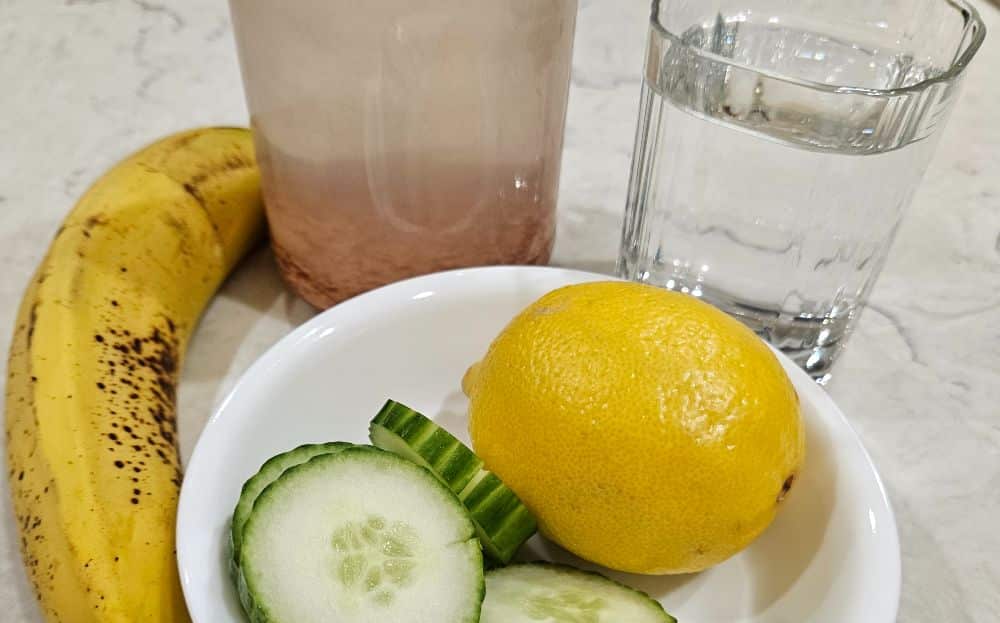
Electrolytes play a critical role in keeping senior endurance athletes hydrated. These elements and simple chemical compounds make sure the water we consume is available to support key bodily functions.
If you’re already training, this guide on how to improve triathlon performance after 50 will help you take the next step.
Hydration Is Vital To Triathlon Training and Racing
The Senior Triathletes post, What Masters Athletes Need To Know About Nutrition, includes the following statement:
Water is necessary for regulating body temperature, transporting nutrients throughout our bodies, lubricating joints, and other bodily processes. However, as we age, thirst becomes less reliable as an indicator of hydration level. With the less sensitive thirst response, we are more likely to become dehydrated and, therefore, need to pay more attention to staying hydrated.
Many of the senior triathletes whose experiences are described in Our Stories have provided firsthand evidence of the importance of hydration. Pat Hawks, for example, has seen the terrible consequences of becoming dehydrated in other triathletes. For this reason, she has become a stickler about staying hydrated, especially during hard exercise and races. To make sure she has adequate electrolytes, she often drinks coconut water because of its potassium content.
When Steve Stewart forgot to follow his hydration plan during IRONMAN Wisconsin 2021, he became dehydrated and eventually dropped out of the race. Laurent Labbe had a similar experience.
More recently, I learned that dehydration can be a trigger for the heart condition atrial fibrillation (Afib) and can lead to increased blood pressure.
Why Is Dehydration During Strenuous Exercise A Problem?
Each of our trillions of cells requires fluid to maintain their shape and to perform their function. Related to physical exercise accompanying triathlon and other multi-sport endurance training and racing, these functions include:
- Cellular respiration involving breakdown of glucose to produce energy as adenosine triphosphate (ATP). This process produces carbon dioxide (CO2) as a waste product. Dehydration can, therefore, lead to reduced energy.
- Protein metabolism in which amino acids are broken down, making them available for various bodily functions. This process produces nitrogen-containing waste, such as ammonia. The cells also convert ammonia into less toxic compounds which are eliminated by the kidneys after being removed from the cell.
- Lipid metabolism breaks down fats (lipids) to produce energy. This process can generate waste products, such as ketones.
- DNA and RNA turnover and repair. These processes have a unique set of waste products, some of which are recycled or converted to other molecules.
- Cells are also responsible for neutralizing and eliminating toxins or certain foreign substances. There may be waste products within the cell from efforts to deal with the toxins.
As you can see, we have a lot going on within our bodies and it’s happening 24/7. But these processes can only occur properly if we have fed and hydrated our bodies correctly.
Did You Know You Can Become Dehydrated Even While Drinking Water?
Yes, you may become dehydrated at a cellular level even if you are drinking water. Cellular dehydration occurs when there is an imbalance between the water entering and leaving the cells. This leads to a decrease in the overall water content within the cells.
Even for a seemingly healthy person, an imbalance or loss of electrolytes will contribute to cellular dehydration, despite adequate water intake.
How Do Electrolytes Contribute to Cellular Hydration?
According to information in What Is Hydration on a Cellular Level and Why Is It Important?, electrolytes such as sodium, potassium, chloride, calcium, magnesium, phosphate, and bicarbonate play a vital role in maintaining the balance of fluids within and around cells.
“Taking in enough fluid is the first step to achieving cellular hydration. Your cell membranes are highly permeable to water (meaning they permit water to pass through them), and water follows osmotic gradients. Osmotic gradients are generated when the concentration of solutes, such as sodium, is higher on one side of the membrane than the other.
“In the context of your cells, this means if you don’t have enough water circulating through your body, water will be drawn from the inside of the cells due to increased osmotic pressure — causing those cells to shrink. When your body contains enough water, this lowers the concentration of solutes in your body fluids, which allows more water to move inside of the cells and restore their shape.”
Electrolytes, a subset of the broader category of solutes, are essential to hydration. These minerals carry an electric charge and help maintain various physiological functions in the body. If there is an imbalance in electrolytes, especially sodium, cellular dehydration occurs. For the endurance athlete, proper electrolyte balance is necessary for optimal muscle contractions, nerve function, and overall cellular function.
Why Senior Triathletes Need More Sodium Than Standard Guidelines Suggest
Sweating is the body’s natural mechanism for cooling during exercise. Sweating not only releases water but also essential electrolytes, including sodium, magnesium, potassium, and iodine. Drinking only water can dilute blood sodium levels.
A problem can arise from the fact that most public health salt recommendations are intended for sedentary adults—not active adults over 50 who train for triathlons. Therefore, restricting sodium can actually backfire senior triathletes. Losing significant quantities of electrolytes raises the risk of dehydration, muscle cramps, fatigue, dizziness, and exercise-associated hyponatremia.
Drinking only water can lead to us become functionally dehydrated during longer training sessions or races. Even mild dehydration leads to fatigue, reduced endurance, and impaired concentration as energy production wanes and waste products build up inside cells. The latter is believed to be one cause of muscle cramps.
Research cited in The Salt Fix shows athletes may lose 1,400–2,800 mg of sodium per hour depending on temperature and intensity. That means a single workout can exceed the daily recommended sodium intake.
For older athletes—who often sweat less efficiently and may have reduced thirst signals—getting the right balance of sodium and fluids becomes even more important.
Benefits of Adequate Sodium for Senior Triathletes
- Better hydration and heat tolerance
- Fewer muscle cramps and less fatigue
- Improved power, stamina, and recovery
- Lower risk of hyponatremia during endurance events
How To Stay Hydrated At A Cellular Level
Staying hydrated at a cellular level requires more than simply drinking water. It involves consistently supplying the body with both fluids and electrolytes so water can enter cells, support metabolism, and remove waste products.
Effective cellular hydration improves endurance, supports recovery, and reduces the risk of fatigue, cramps, and heat-related problems—especially for older athletes.
The following strategies help ensure hydration where it matters most: inside your cells.
Choose Electrolyte-Rich Foods
According to Put Down the Sugary Sports Drink—These 9 Foods Naturally Replenish Electrolytes, here are nine foods and drinks easy to find at the store AND natural sources of electrolytes.
- Bananas
- Greek yogurt
- Spinach
- Watermelon
- Oats
- Avocado
- Lemon juice
- Coconut water
- Sea salt (see below for more about this)
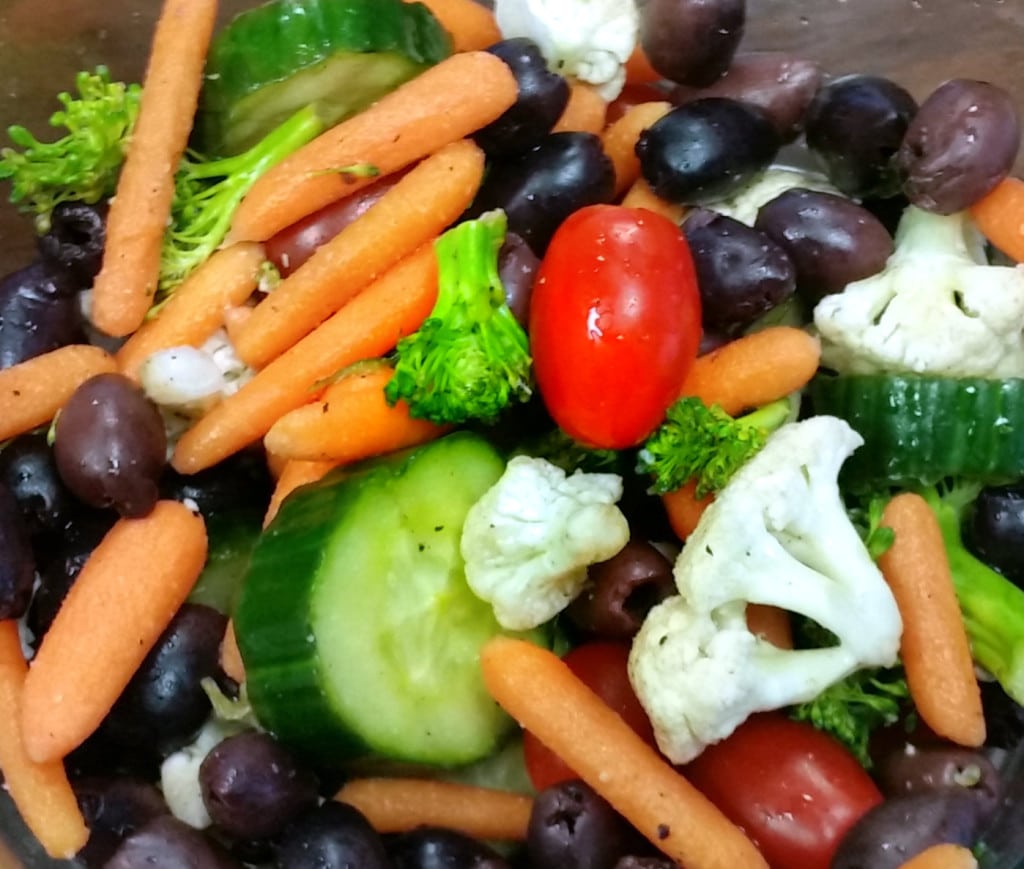
Most fruits and vegetables are 80–95% water and also supply potassium, magnesium, and other minerals that support fluid balance. Including these foods regularly helps maintain baseline hydration outside of training sessions.
Drink Water Throughout The Day
Water is necessary for regulating body temperature, transporting nutrients throughout our bodies, lubricating joints, and other bodily processes. However, as we age, thirst becomes less reliable as an indicator of hydration level. With the less sensitive thirst response, we are more likely to become dehydrated and, therefore, need to pay more attention to staying hydrated.
To help you set a daily goal, consider this calculator for daily water intake. Remember that coffee and tea, in moderation, are legitimate sources of water. So, are many foods.
According to What Masters Athletes Need To Know About Nutrition:
“It is helpful to remember that water can come in many forms. These include the obvious ones, including coffee, tea, milk, and soup. Water can also be consumed in fruits and vegetables. Registered nutritionist and chef Ian Harris points out that ‘vegetables such as celery, cucumber, iceberg lettuce, tomato and zucchini contain over ninety percent water’. In addition, ‘melons such as cantaloupe and watermelon have some of the highest water content, at more than 90 percent.’ Many other commonly available fruits contain over 80 percent water.”
Since it takes time for our body to absorb and distribute water we ingest, sipping water throughout the day is more effective than downing a day’s volume in one or two sittings.
Other liquids such as bouillon and pickle juice, are sources of electrolytes with water.
Add Salt To Your Water
During prolonged or intense exercise—especially in warm conditions—sweat loss can quickly deplete sodium. Replacing fluid without replacing sodium can impair hydration and increase the risk of fatigue or hyponatremia.
For endurance athletes who sweat heavily, adding salt to water is a simple and inexpensive way to support electrolyte balance. The author of The Salt Fix recommends Redmonds Real Salt, an ancient sea salt mined in the USA. This salt contains a broad profile of minerals in addition to sodium. These include calcium, magnesium, potassium, and iodine.
General sodium guidelines often used by endurance athletes include:
- ~½ teaspoon salt (~1,150 mg sodium) about 30 minutes before exercise
- ½–1 teaspoon salt per hour during long or hot training sessions
Individual needs vary widely based on sweat rate, sweat sodium concentration, temperature, and exercise duration. These strategies should be tested in training—not introduced for the first time on race day. Always consider personal medical history and consult a physician before making significant dietary changes.
Bottom line: For senior triathletes, sodium isn’t the enemy—it’s a performance and safety essential.
Use Electrolyte Beverages When Appropriate
Electrolyte powders, tablets, and sports drinks can be useful tools during long workouts or races. These products are designed to replace sodium and other electrolytes lost through sweat while also providing fluid.
Some products emphasize higher sodium content with minimal sugar, while others combine electrolytes with carbohydrates. The best choice depends on workout duration, intensity, fueling strategy, and gastrointestinal tolerance.
One commercial product my wife and I began using recently is supplied by LMNT. Each packet of powdered additive and can of sparkling water includes 1000 mg of sodium, 200 mg of potassium, and 60 mg of magnesium.
While they have an unflavored powder, LMNT products are available in several naturally flavored fruit, chocolate, and chocolate caramel flavors.
Regardless of the product, the goal remains the same: support fluid absorption and maintain electrolyte balance so hydration reaches the cellular level.
Pay Attention To Your Body
The main symptoms of dehydration are excessive thirst, dark urine, dizziness, and fatigue. Be sure to seek medical attention if these symptons persist.
Conclusions
Staying hydrated in the correct way, with water and electrolytes, gives our bodies the right fuel and ensures important systems continue working smoothly.
Whether we’re playing sports, running around, or just going about our day, water will help us feel good and stay healthy. However, we must also maintain the proper balance of electrolytes to be sure the water is getting into our cells, is being maintained at the proper level, and waste products generated within our cells are being removed.
Want to take the next step? Choose your path below.
Whether you’re just getting started or looking to improve, here are your next steps:
New to Triathlon?
Start with a step-by-step guide to triathlon after 50 designed specifically for older athletes.
Already Training?
Learn how to train smarter, recover better, and improve performance after 50.
Please Leave Your Questions and Comments Below
Disclaimer: Please note that SeniorTriathletes.com is a participant in the Amazon Services LLC Associates Program. This is an affiliate advertising program that provides a way for sites to earn advertising fees. They do this by advertising and linking to amazon.com. Amazon, the Amazon logo, AmazonSupply, and the AmazonSupply logo are trademarks of Amazon.com, Inc. or its affiliates. As an affiliate, I will receive a small commission for any purchases of this product that you make through Amazon if you use the links in this post.
This post was originally published on December 12, 2023. This revision includes information from The Salt Fix about the need for additional sodium and the dangers of too little sodium, especially for older, endurance athletes.





Comments: We’d love to hear about your experience. Join the conversation below. All comments are reviewed before they appear.
Reply notifications: Click the bell icon above Post Comment to be notified when someone replies to your comment.
Follow the discussion: Click Subscribe above the comment box and enter your email address to receive notifications whenever a new comment is added—even if you don’t leave a comment. After subscribing, check your email and click Confirm to activate notifications.