
Nutrition for Triathletes After 50 — Healthy Aging, Recovery & Performance
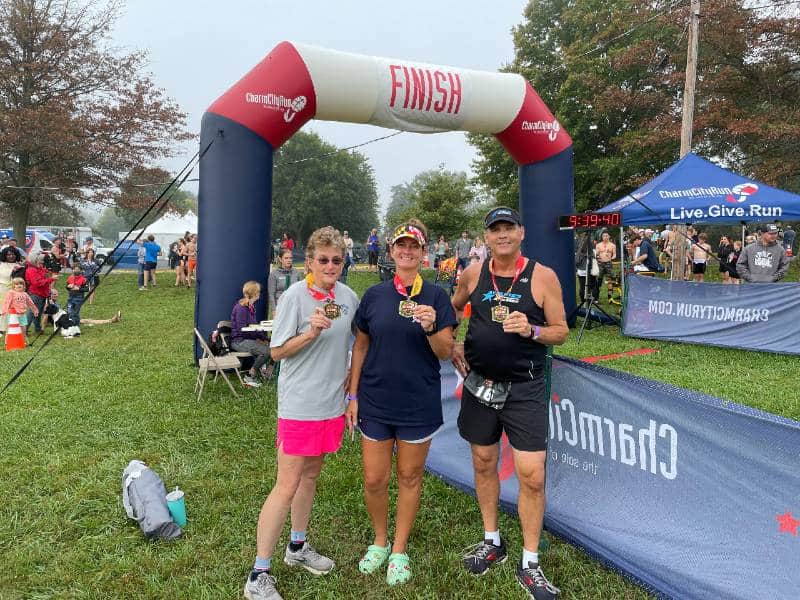
Practical nutrition guidance to support performance, recovery, metabolic health, and healthy aging throughout the decades after 50.
Whether you’re preparing for your first sprint triathlon at 52 or continuing to race into your 70s and beyond, good nutrition can help you perform better, recover more effectively, and maintain the health needed to enjoy an active lifestyle.
Nutrition is about much more than fueling your next workout or race. As we grow older, what we eat influences recovery, muscle preservation, hydration, body composition, blood sugar, bone health, energy, and our ability to continue enjoying an active lifestyle.
For many younger athletes, nutrition is primarily about maximizing performance. For senior triathletes, performance remains important—but it becomes part of a much larger picture.
Our goal is not simply to race faster.
It is to continue training, racing, and aging well.
The nutritional needs of a 52-year-old triathlete are not always the same as those of a 72-year-old or an 82-year-old athlete. As our community grows, we will continue exploring how nutrition can support healthy aging and endurance sports across every decade of life. This page serves as a foundation that will grow through the experiences of our readers, the insights of our coaches, and emerging research on active aging.
Why Nutrition Matters More After 50
Training remains the stimulus for improvement, but nutrition increasingly determines how well we adapt to that training.
After age 50, many athletes notice changes that extend beyond race performance:
- Recovery often takes longer.
- Maintaining muscle becomes more challenging.
- Weight management requires greater attention.
- Hydration needs may change.
- Blood sugar and metabolic health become increasingly important.
- Chronic health conditions become more common.
These changes do not mean performance must decline. They simply mean that nutrition deserves more attention than it may have earlier in life.
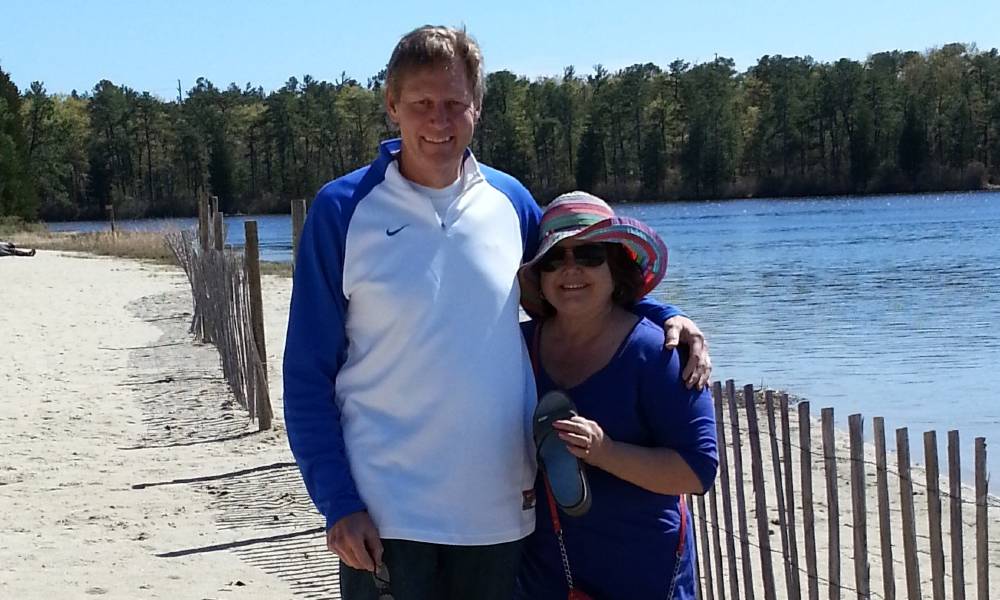
During my own journey to complete a triathlon in all 50 states, nutrition gradually became less about preparing for race day and more about improving long-term health. With Joy’s encouragement, we reduced our sugar intake and adopted healthier eating habits. Over time I lost approximately 50 pounds while improving important health markers including blood pressure and blood sugar.
That experience reinforced an important lesson:
Nutrition is one of the most powerful tools we have—not only for improving endurance performance, but also for supporting healthy aging.
What Our Community Told Us
One of the strengths of SeniorTriathletes.com is that it is shaped not only by research and expert opinion, but also by the experiences of senior triathletes themselves.
In our recent Nutrition for Triathletes After 50 survey, readers shared what matters most to them.
Several themes emerged.
Community Insight
From our Nutrition Survey
❤️ Overall health matters more than racing faster.
💪 Protein after 50 was one of the most requested future topics.
⚖️ Weight management remains a common challenge.
🥤 Recovery, hydration, and protein continue to shape readers’ questions.
👥 Our readers want practical guidance—not complicated nutrition rules.
Every survey response helps shape future articles on SeniorTriathletes.com.
Health Comes Before Performance
Most respondents identified improving overall health, maintaining muscle, healthy aging, and recovery as higher priorities than improving race performance.
That reflects an important reality for many athletes over 50. Nutrition is no longer viewed simply as a way to race faster. It is part of maintaining an active lifestyle for years to come.
Weight Management Remains a Challenge
Many respondents identified weight gain, cravings, eating enough protein, and maintaining consistency as their biggest nutrition challenges.
These are common concerns among active older adults and remind us that endurance training alone does not guarantee healthy body composition or metabolic health.
Readers Want Practical Guidance
The nutrition topics readers most wanted to learn more about included:
- Protein needs after 50
- Healthy aging and nutrition
- Nutrition for recovery
- Weight management
- Hydration and electrolytes
Those priorities will continue shaping future articles on Senior Triathletes.
Key Nutrition Topics
Protein and Muscle Preservation
One of the most important nutritional priorities after age 50 is preserving muscle.
Muscle naturally declines with age unless we actively work to maintain it through resistance training, adequate protein intake, and consistent physical activity.
Maintaining muscle is about far more than athletic performance. It supports balance, independence, injury prevention, metabolic health, and quality of life.
Featured Resource
Future articles will explore topics including protein requirements, meal timing, and practical strategies for preserving muscle throughout our 60s, 70s, and beyond.
Weight Management and Metabolic Health
Many older athletes discover that the nutritional habits which worked in their 30s or 40s no longer produce the same results.
Weight management becomes more complex as metabolism changes, muscle mass declines, and lifestyle evolves.
Fortunately, endurance sports provide an excellent foundation for improving metabolic health when combined with sustainable nutrition habits.
Rather than pursuing restrictive diets or quick fixes, we encourage practical approaches that support long-term health while still allowing you to enjoy training, racing, travel, and family life.
Future articles will explore topics including blood sugar management, reducing added sugars, body composition, and sustainable weight management for active older adults.
Nutrition for Recovery
Recovery begins long before the next workout.
Adequate protein, hydration, overall energy intake, and sleep all contribute to how well our bodies repair and adapt after training.
As recovery naturally slows with age, nutrition becomes an increasingly important part of staying healthy and continuing to train consistently.
Future articles will examine recovery nutrition in greater depth while connecting with our broader Recovery resources.
Hydration and Electrolytes
Hydration is one of the simplest—and most overlooked—ways to improve both health and performance.
Fluid needs vary widely depending on weather, workout duration, sweat rate, medications, and individual physiology.
Electrolytes can also play an important role, particularly during longer workouts, hot weather, and races.
Featured Resource
Fueling Training and Racing
Fueling strategies differ considerably depending on race distance, workout duration, and personal preference.
Many sprint-distance athletes require little or no nutrition during shorter workouts, while athletes preparing for longer events must learn what foods and drinks work best before race day.
The best fueling strategy is the one you have practiced repeatedly during training—not the one you experiment with on race morning.
Featured Resources
Looking Ahead
Senior Triathletes exists because older athletes continue asking thoughtful questions that deserve thoughtful answers.
One message has become increasingly clear.
“Over 50” is not a single stage of life.
The nutritional needs of someone beginning triathlon at 52 are often different from those of someone continuing to compete in their 70s or 80s. As our community grows, so will our understanding of those differences.
In the coming years, we hope to explore nutrition through every decade after 50—helping athletes adapt their training, eating habits, and recovery strategies as their lives and bodies change.
That is one of the unique strengths of our community.
We are not simply learning how to race well.
We are learning how to age well while continuing to swim, bike, and run.
Continue Exploring
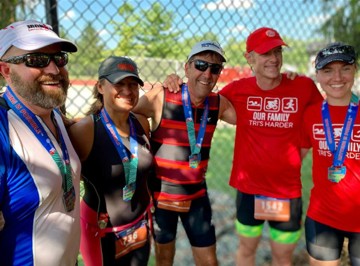
Whether you’re completing your first sprint triathlon or continuing to compete decades later, improving race performance, maintaining muscle, or simply staying healthy enough to stay active for years to come, nutrition is only one part of the journey.
Continue exploring our resources on:
- Improve Performance After 50
- Training
- Recovery
- Inspiration
And if you have a question, experience, or lesson that might help another senior triathlete, we’d love to hear from you. The best ideas on this website often begin with conversations from members of our community.
Join the Conversation
Share your questions and comments in the Comments section below. I read every comment.
Comments: We’d love to hear about your experience. Join the conversation below. All comments are reviewed before they appear.
Reply notifications: Click the bell icon above Post Comment to be notified when someone replies to your comment.
Follow the discussion: Click Subscribe above the comment box and enter your email address to receive notifications whenever a new comment is added—even if you don’t leave a comment. After subscribing, check your email and click Confirm to activate notifications.