
What To Expect From Your Triathlon Coach After 50
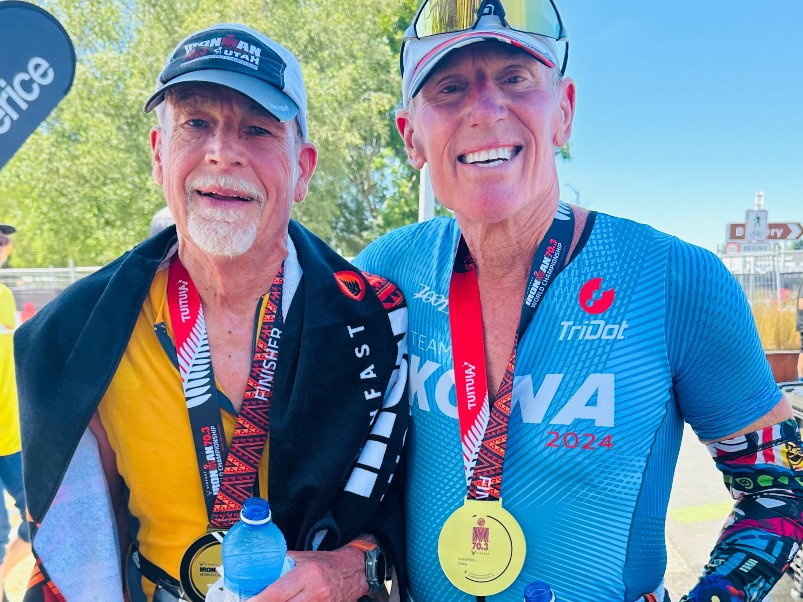
After questioning a key workout, a 66-year-old triathlete wondered whether a thumbs-up emoji was enough reply from his coach. Coach Kurt Madden explains what a healthy coach-athlete relationship should look like.
Introduction
Peter, a 66-year-old Australian triathlete, is preparing for the Sunshine Coast 70.3. He recently submitted a question through Ask Our Coaches. His question is one that many athletes have probably wondered, but few have asked.
After completing a prescribed threshold run, Peter messaged his coach.
The workout hadn’t felt like threshold.
His maximum heart rate reached only 140 beats per minute, even though testing showed his maximum heart rate was approximately 174. Instead of receiving questions or an explanation, the response from his coach was a thumbs-up emoji, and nothing more.
The emoji wasn’t the problem. It simply prompted a much bigger question.
What should athletes reasonably expect from their coach?
I shared Peter’s question with Coach Kurt Madden, Director of Coach Development for TriDot and one of our Ask Our Coaches contributors.
Coaching Begins With Shared Expectations
According to Coach Madden, successful coaching relationships begin with a conversation. Long before the first workout is uploaded to an athlete’s training calendar, a coach and athlete should discuss goals, preferred methods of communication, and what each expects from the relationship. Some athletes appreciate frequent feedback, while others are comfortable checking in only occasionally. Neither approach is inherently better, but both coach and athlete should know what to expect.
“The coach should always respond in a professional manner when the perceived effort doesn’t match the prescribed workout… by asking open-ended questions.” — Coach Kurt Madden
Coach Madden explained that he responds to athlete emails twice each day, aims to answer text messages within four to six hours, and schedules a 30- to 40-minute Zoom or Microsoft Teams meeting every other week. Those sessions aren’t simply about reviewing workouts. They typically cover two to four topics chosen by the athlete, ending with specific action items before the next meeting.
The exact schedule will differ from coach to coach, but the principle remains the same:
Successful coaching begins with clear expectations.
If you’re considering working with a coach, you may also enjoy Why Should Seniors Use a Triathlon Coach?, which explores the top ways coaching can help athletes over 50 continue improving.
A Good Coach Does More Than Follow the Training Plan
Technology has transformed triathlon coaching, but training platforms don’t replace coaching—they support it.
Coach Madden explained that coaches working with TriDot have considerable flexibility to individualize an athlete’s training. The software provides valuable information about fitness, readiness, and training stress, but the coach interprets that information alongside what the athlete is experiencing.
If an athlete reports illness, travel, poor sleep, unusual fatigue, soreness, or increased life stress, a coach may adjust workout intensity, reduce training volume, substitute a different session, or modify an entire week’s schedule.
In other words, the training plan should serve the athlete—not the other way around.
Coach Madden emphasizes that effective coaching is about far more than simply following a training plan:
“The key is for the coach to make informed decisions based on… fitness, stress, and readiness as well as what the athlete is sharing that might impact their performance.” — Coach Kurt Madden
When the Workout Doesn’t Match How You Feel
Peter’s question arose after a threshold workout that didn’t feel like threshold.
Rather than immediately changing future workouts, Coach Madden believes the first step should be understanding why the workout felt different.
Performance is influenced by much more than pace, heart rate, or power. Sleep, nutrition, travel, emotional stress, previous workouts, hydration, weather, and even minor aches can all affect how a session feels.
Before making changes, a good coach begins by asking questions.
Great Questions Coaches Ask Triathletes Over 50
Instead of immediately changing your training, a good coach begins by asking questions that help uncover why a workout felt different than expected.
- Tell me more about how today’s workout felt.
- How have you been sleeping over the past few days?
- How has your nutrition and hydration been recently?
- Have work, family, or travel increased your stress?
- Have you noticed unusual soreness, fatigue, or a minor injury developing?
- Have other workouts also felt different?
- Would you benefit more from adjusting your training—or gathering more information first?
Good coaching starts with curiosity, not assumptions.
Great Coaching Is a Partnership
The best coaching relationships aren’t built solely on technology or perfectly designed training plans.
Technology provides data.
The coach provides experience, judgment, and perspective.
The athlete provides honest feedback about how training is affecting both body and mind.
When those three work together, coaching becomes far more effective than simply following workouts on a watch or phone.
If you’re already working with a coach—or considering one—you may also find value in How a Coach Can Help Throughout Your Triathlon Journey, which looks at how an athlete’s coaching needs often change as experience grows.
Terry’s Perspective
Over the past several years, I’ve had the privilege of corresponding with senior triathletes from around the world and interviewing coaches for SeniorTriathletes.com.
One theme keeps surfacing.The strongest coach-athlete relationships aren’t built on perfect training plans.They’re built on trust, honest communication, and a willingness for both coach and athlete to keep learning together.
One sentence from Peter’s original email caught my attention: “Perhaps my expectations are too high, because I care so much about reaching my potential as a 66-year-old.”
That humility is refreshing.
He wasn’t looking to criticize his former coach. He genuinely wanted to understand what a healthy coaching relationship should look like.
That’s a question every athlete should ask.
Whether you’re hiring your first coach or have worked with several over the years, don’t be afraid to ask questions—and don’t be surprised when a good coach asks plenty in return.
What Have You Learned?
If you’ve worked with a coach, what is one thing they did that made the biggest difference in your training or racing? Tell us in the Comments below.
Ask Our Coaches a Question
Every Ask Our Coaches article begins with a question from a member of the SeniorTriathletes.com community.
- Questions about training, racing, recovery, nutrition, injury prevention, or healthy aging after 50 are welcome.
- Your question may become the topic of a future Ask Our Coaches article.
- Your experience could help other athletes facing the same challenge.





Comments: We’d love to hear about your experience. Join the conversation below. All comments are reviewed before they appear.
Reply notifications: Click the bell icon above Post Comment to be notified when someone replies to your comment.
Follow the discussion: Click Subscribe above the comment box and enter your email address to receive notifications whenever a new comment is added—even if you don’t leave a comment. After subscribing, check your email and click Confirm to activate notifications.