‘At the Core’ – Strength Training to Help Seniors Perform Better and Avoid Injury

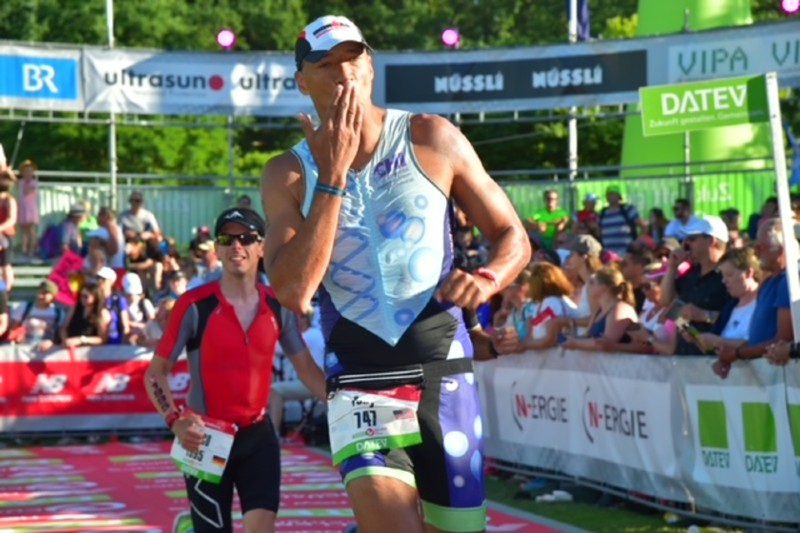
Following her win of the Women’s Division at the USA National Winter Triathlon Championship in January 2016, Jan Guenther told Senior Triathletes that seniors preparing for a triathlon should make core strength training a top priority.

Great advice! We need to continue to “build core strength” because, beginning at age 30, we began to lose muscle strength and the amount of muscle loss appears to increase with age.

The statistics that I have seen indicate that the loss is, on average, 3% to 5% per decade after age 30, 8% per decade from age 40 to 70, and 15% per decade after age 70. However, there is also evidence that muscle tissue can be regenerated even at an advanced age with a diet consisting of high-quality foods and exercise.

How do we build core strength? For that matter, what is the ‘core’? Answering these questions is the focus of this article.

If you’re new to triathlon after 50, this guide on how to start triathlon after 50 will help you take the first step.

What is the ‘core’?

Our core muscles include those in the abdomen, mid and lower back, hips, and pelvis, all aimed at keeping us upright. Having strong core muscles is key to ‘moving young’ as well as to training without injury. If one of our muscles is weak, others will try to compensate, which can lead to overuse of the compensating muscles and injury.

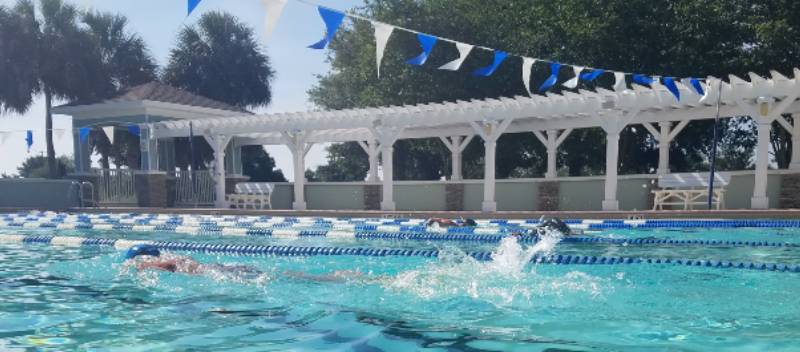
Strong core muscles are also key to better performance. For example, in swimming, a strong core is required to keep us horizontal in the water so that we avoid dropping our legs and creating the significant extra drag that will not only slow us down but cause us to expend extra energy to get through our routine or triathlon course.


How do we build core strength?

Following is the core exercise plan that I follow 1-2 times per week. Note that these that require no special equipment, though make use of a yoga mat or towel.

Complete one set of each of the following exercises and then repeat each of them as time permits.

Planks

Planks are great for developing strength in the core, shoulders, arms, and glutes. This is how to do this exercise.

Lie face on the floor, bend your elbows and rest your weight on your foreman which should be directly below your shoulders. From this position, get up on the toes with your back as straight as possible such that there is a straight line from your shoulders to your heels. This is the start.

Plank core exercise
Core exercise: Plank

Concentrate on using your muscles to draw your belly button toward your spine while continuing to breathe.

Hold this for as long as you can with the goal of reaching two minutes. Don’t worry if you cannot hold it that long. However, stop as soon as you are no longer able to maintain the straight back, which is key to the proper execution of this exercise.

Side Planks

Side planks are great for building endurance and strength of the core muscles, especially those involved in the movement of the hips and back which are required for swimming and running. Frankly, these are the most difficult for me, I think because of my relatively weak hip muscles. However, I typically do two sets on each side holding the plank for one minute per set. If you are new to this exercise, try starting with 15 seconds per side per set and increase the time as you are able, trying for one minute on each side. Remember, once you are no longer able to maintain proper form, stop.

This is how to do the side plank, which you will do on each side.

Lie on one side in a straight line between your head and feet. Rest your weight on your forearm and place the foot of the top leg on top of the foot of the leg on the floor. Contract your abdominal muscles and lift your hips off the floor maintaining a straight line between your shoulder and your feet. At the same time, keep your neck, spine, and legs in line on the backside of your plank.

Side plank
Core exercise: Side Plank

Your other hand can be on your hip with the elbow pointed upward or can lay along your leg – it just cannot be used for support against the floor.

Remember to keep breathing in and out. You get no points for holding your breath.

Leg Lifts

Leg lifts help to develop the lower abdominal muscles and lower back.

This is how to do this leg lifts. Remember to breathe in and out on each of the cycles.

Lie on your back with your legs on the floor and arms at your sides, palms down. Contract your abdominal muscles and slowly lift your legs to 90 degrees to the floor, keeping your legs straight and not bending your knees. Slowly return your legs to the floor. This is one repetition. Complete as many as possible while remaining good form. Try to complete 25.

Leg lift starting position
Core exercise: Leg lift, starting position
Leg lift halfway point
Core exercise: Leg lift, halfway point

Superman

This exercise derives its name from its appearance when properly done – like that of Superman flying through the sky. It is great for strengthening the lower back.

Start by lying face down on your mat or towel with your legs and arms fully extended. Contract the muscles of your lower back and together, raise your arms, chest, and legs off the floor and hold this for a count of “one thousand one, one thousand two.”

Slowly, lower your arms, chest, and legs to the floor. This is one repetition.

Superman lower back exercise
Core exercise: Superman lower back exercise; up position

Repeat 10 (or whatever number you are able to do) to 25 times, focusing on good form and breathing.

Side Lying Leg Lifts

This is the exercise that I have been doing to strengthen my hips and glutes. In the process, this exercise is also strengthening the oblique muscles.

For this exercise, lie down on one side with the corresponding arm and leg extended in opposite directions. Place the opposite leg on top of the bottom leg and place the opposite hand on the floor near your mid-section for stability.

Side leg lift
Core exercise: Side leg lift, starting position
Side leg lift
Core exercise: Side leg lift, halfway position

Slowly raise your top leg as high as possible while attempting to keep you foot parallel to the floor or, if possible, your toes pointed slightly downward. Hold for a moment, and slowly return the leg to the top of the other leg, just barely bringing the two feet into contact. This is one repetition.

Complete 25 repetitions on each side, remembering to maintain your neck, spine, and legs in a straight line and, of course, to breathe.

Repeat the set on the other side with the other leg.

Want to take the next step? Choose your path below.

Whether you’re just getting started or looking to improve, here are your next steps:

New to Triathlon?

Start with a step-by-step guide to triathlon after 50 designed specifically for older athletes.

Start Here →

Already Training?

Learn how to train smarter, recover better, and improve performance after 50.

Improve Performance →

Medical Disclaimer

The content on SeniorTriathletes.com is for informational and educational purposes only and is not intended as medical advice, diagnosis, or treatment. Always consult with your physician or a qualified healthcare provider before beginning or modifying any exercise, training, nutrition, or recovery program—especially if you have existing health conditions or concerns.

Participation in triathlon training and related activities involves inherent risks. By using this information, you acknowledge and accept full responsibility for your health and well-being. The author and contributors are not liable for any injuries or health issues that may result from the use of this content.
Have Patience

Progress may, at times, appear slow but keep doing these core strengthening exercises and you will soon see the difference in your performance and movements.

If you have questions or comments about your experience with strengthening your core, share them in the Comments section below.

Comments: Join the conversation below — Click on “Subscribe” (located above the Comment box) if you’d like to be alerted to replies to your Comment. Even if you do not submit a comment, you may subscribe to be notified when a new comment is published. Please note that I review all comments before they are posted.

At 71, She Got Stronger—What That Means for Triathletes Over 50

One of the most common questions I hear from people considering triathlon later in life is simple:

“Am I too old to start?”

A recent story featured on Upworthy about a 71-year-old woman who took up strength training in her late 60s provides a clear and encouraging answer: no, you are not too old; in fact, you may be just getting started.

Her experience isn’t about elite performance or breaking records. It’s about something more relevant to most of us—building strength, confidence, and capability at an age when many assume decline is inevitable.

Related post: At What Age Do Senior Triathletes Start Triathlon?

The Real Lesson Isn’t Her Age—It’s Her Starting Point

What makes this story so powerful isn’t that she’s strong at 71. It’s that she started at 68.

That matters for anyone over 50 considering triathlon because it reframes the timeline:

  • You don’t need decades of training behind you
  • You don’t need a lifelong athletic background
  • You don’t need to be “naturally gifted”

You simply need to start.

That’s the same principle behind my own experience—beginning triathlon at 58 and discovering that improvement doesn’t stop with age. In many ways, it begins there.

If you’re new to triathlon, start with this step-by-step guide to triathlon after 50 before diving deeper.

Why Strength Training Changes Everything After 50

For triathletes, it’s easy to focus only on swimming, biking, and running. But the real takeaway from this story is that strength training is not optional—it’s foundational.

As we age, we naturally lose muscle mass and bone density. Without strength training, that decline affects everything:

  • Reduced power on the bike
  • Decreased stability and form when running
  • Higher risk of injury
  • Slower recovery between workouts

Strength training reverses much of that trajectory. It supports performance, protects against injury, and improves overall quality of life.

If you want a deeper look at how to structure strength work specifically for endurance athletes, see: Strength Training for Senior Endurance Athletes.

Coach’s Rules: Strength Training After 50

  • Strength is your foundation for swimming, biking, and running
  • Start lighter than you think—but progress consistently
  • Focus on functional movements: squat, push, pull, carry
  • Two sessions per week can make a measurable difference
  • It’s never too late—the body still adapts in your 60s and 70s

What This Means for Your Triathlon Training

If you’re already training for triathlon—or thinking about it—this story should change how you approach your routine.

Instead of asking:

“How much swim, bike, and run do I need?”

Start asking:

“Am I strong enough to support the training I want to do?”

For many older athletes, strength becomes the limiting factor—not endurance.

If you’re already training, this guide on how to improve triathlon performance after 50 will help you take the next step.

It’s Not About Becoming Elite—It’s About Staying Capable

Most of us are not training to win races. We’re training to stay active, capable, and engaged in life.

That’s what makes stories like this so relevant. They remind us that:

  • Progress is still possible
  • Strength can still be built
  • New challenges are still worth pursuing

And perhaps most importantly:

The decision to start matters more than the age at which you start.

Curious how I trained to complete triathlons in all 50 states after age 58?

Read Triathlon Adventures Across America

Your Turn

Have you added strength training to your routine—or are you thinking about it?

I’d be interested to hear what’s working for you, or what questions you have about getting started.

Leave a comment below or reach out directly. Your experience may help someone else take that first step.

Comments: Join the conversation below — Click on “Subscribe” (located above the Comment box) if you’d like to be alerted to replies to your Comment. Even if you do not submit a comment, you may subscribe to be notified when a new comment is published. Please note that I review all comments before they are posted.

Strength Training for Senior Endurance Athletes

I am constantly hearing about the importance of strength training for seniors, especially senior endurance athletes. And, I don’t think it’s just because I have become sensitized to its importance.

According to the authors of Muscle tissue changes with aging, “One of the most striking effects of age is the involuntary loss of muscle mass, strength, and function, termed sarcopenia. Muscle mass decreases approximately 3–8% per decade after the age of 30 and this rate of decline is even higher after the age of 60.”

If you’re already training, this guide on how to improve triathlon performance after 50 will help you take the next step.

Senior Triathletes coach Tony Washington shared about strength training and its importance to senior triathletes and other multi-sport endurance athletes. According to Tony, senior triathletes and other multi-sport endurance athletes should prioritize strength training as the fourth discipline in triathlon.

Key Takeaways from Coach Tony Washington

  • Strength training is the “fourth discipline” of triathlon—critical for performance late in races
  • Most breakdowns are muscular, not cardiovascular, especially under fatigue
  • Injury prevention is the primary goal, particularly in the lower legs
  • Senior athletes need more strength work, not less, to offset age-related decline
  • Think beyond strength: stability → mobility → strength
  • Consistency matters most—do something every day

These points challenged how I had been thinking about strength training—and how I applied it in my own training.

Let’s look more closely at how these ideas apply specifically to senior endurance athletes.

Strength training is just one part of a complete training plan. See how it fits into a broader approach to triathlon training after 50.

Strength Training for Senior Multisport Endurance Athletes

Since publishing my experience with triathlon icon Mark Allen’s strength training program, the post has been among the top most read on SeniorTriathletes.com.

This is not surprising, given the intrinsic loss of strength with age. There is plenty of evidence to show that we may not stop this decline, but we can absolutely slow it down through consistent strength training. This includes some strength training every day, according to Tony Washington.

For a sedate person, starting at about age 40, they can lose as much as a percent of strength per year.

Tony Washington

Before you leave thinking you don’t have time to go to the gym seven days a week, listen to Tony’s approach to strength training and how you can supplement visits to the gym or weight room with strength training while going about your day.

My Conversation with Tony Washington

Recording of my conversation with triathlon coach and senior triathlete Tony Washington

Milestones in our Conversation

If you don’t have time to listen to the entire conversation now, you can download it for later listening. You can also jump to a specific point within the conversation. Just remember, points later in the conversation often build on those Tony made earlier in it.

  • 1:11 – Strength training is underappreciated in triathlon
  • 3:07 – Key goal for strength training
  • 5:15 – Ways strength training for seniors differs from that for our younger selves
  • 8:25 – Three targets for strength training
  • 13:37 – Changes in strength training for seniors as we age
  • 18:41 – Differences in strength training between men and women
  • 21:30 – Approaching strength training when transitioning from a single endurance sport to triathlon
  • 24:55 – Influence of race distance on strength training
  • 27:11 – Reader question about preventing injury when strength training for the bike
  • 30:30 – Final advice: “Do some strength training every day.”

What Tony Washington Wants Senior Endurance Athletes To Remember

Three ideas stood out from my conversation with Tony Washington. First, strength training is not simply about lifting heavier weights. Second, senior athletes benefit from doing some form of strength work consistently, even if it is brief. Third, strength developed in isolation is not enough; we need strength we can use when swimming, biking, and running while tired.

1. Think Stability, Mobility, Then Strength

Tony describes strength training for senior endurance athletes as having three targets: stability, mobility, and strength. Stability helps us control movement and avoid injury. Mobility helps us remain strong through a useful range of motion. Strength helps us continue moving well, especially late in a workout or race.

This is especially important for runners and triathletes because running is, in Tony’s words, much like repeatedly hopping from one foot to the other. Each foot strike places significant force through the feet, ankles, calves, knees, hips, and back. A strong body that is also stable and mobile is better prepared to absorb and return that force.

2. Do Some Strength Training Every Day

This may be the most practical takeaway from our conversation—strength training does not need to be a separate workout to be effective. Tony isn’t suggesting that every senior athlete needs to go to the gym seven days a week. Instead, he encourages athletes to do something—a few simple movements added naturally to other movements—every day along with at least two structured strength sessions each week. These can include:

  • Calf raises while waiting for coffee, the microwave, or an appointment.
  • Standing on one foot while brushing your teeth.
  • Bodyweight squats, lunges, or step-ups during a short break.
  • Walking up steps two at a time, instead of one.

The point is consistency. Small movements repeated often can help make strength training part of an athlete’s lifestyle rather than one more item competing for time on the training calendar. In other words, strength training becomes something you do throughout the day—not just something you schedule.

One point Tony emphasized really stood out to me:

Coach’s Rule

If you’re short on time, cut endurance—not strength training.

3. Prepare the Body To Perform While Tired

In triathlon, especially, we are rarely performing on fresh legs—the ability to maintain form while tired is what ultimately determines performance. Tony also mentioned using a series of intervals after harder efforts, especially biking and running, to simulate the feeling of longer-distance racing. This prevents overuse fatigue and injury, while still building endurance.

For senior athletes, this does not mean forcing hard workouts when exhausted. It means gradually and safely teaching the body to maintain good form when fatigue is present. Strength training helps support that goal by improving durability, balance, posture, and muscular endurance.

This is where many races are decided—not by fitness alone, but by how well we hold form when tired.

🎧 Related Podcast: Kurt Madden on Growth Mindset, Coaching, and Longevity

In this conversation with Dr. Sarah Gordon, coach Kurt Madden expands on themes that matter to senior endurance athletes, including mindset, community, coaching, and the value of staying active for life. Listen to Episode 60 of the PhD Journey Unplugged podcast.

My Main Takeaway About Strength Training for Senior Triathletes

According to Tony Washington, strength training for senior triathletes is less about lifting weights and more about building a body that can handle the demands of swimming, biking, and running—especially when fatigued. For older athletes, this means focusing on stability, mobility, and strength, and finding simple ways to include these throughout the day. Done consistently, this approach not only improves performance but helps us continue swimming, biking, and running well into the later decades of life (see also Recovery After 50).

While strength training creates the stimulus for improvement, the actual adaptation happens during recovery—especially during sleep. Improving sleep quality is one of the simplest ways to get more out of your strength work and continue making progress over time.

Want to see how this works in practice? Here’s my experience following a structured strength program here: Strength Training for Triathletes: My Experience With Mark Allen’s Approach

Want to take the next step? Choose your path below.

Whether you’re just getting started or looking to improve, here are your next steps:

New to Triathlon?

Start with a step-by-step guide to triathlon after 50 designed specifically for older athletes.

Start Here →

Already Training?

Learn how to train smarter, recover better, and improve performance after 50.

Improve Performance →

What Do You Think?

How has Tony’s perspective changed your idea of strength training? What did you find most interesting or thought provoking? Post your comments below.

Comments: Join the conversation below — Click on “Subscribe” (located above the Comment box) if you’d like to be alerted to replies to your Comment. Even if you do not submit a comment, you may subscribe to be notified when a new comment is published. Please note that I review all comments before they are posted.

This post was originally published on April 18, 2023. I updated it on September 23, 2024 because of a keener sense of the importance of this topic for older athletes. The latest revision was on April 23, 2026.

How To Make Triathlon Training Senior-Specific

Triathletes over age 50 struggle to find senior specific triathlon training plans. This is the major reason for partnering with Our Coaches, each who are also senior triathletes.

The genesis of this post and my conversation with Senior Triathletes coach Kurt Madden was a question from one of our readers. Linda, a female triathlete over age 60 wrote:

“How do you change a triathlon training program that is meant for everyone, to one that works for a female over 60?”

The Senior Triathletes’ Challenge – Finding An Age-Specific Training Program

Looking back over my time in triathlon, I appreciate the challenge of finding the right training plan. What part of a training plan found in a book or online is appropriate for an older athlete? More specifically, what is the best plan for training given my strengths and weaknesses?

This is especially true when the mainstream endurance sports writers consider a man or woman age 40 to be an “older athlete.”

As you will hear, Kurt knows firsthand how the needs of an athlete over age 50 differ from their younger self. In this conversation, he gives us principles to use in adapting generic training information and hints for preventing injury and maintaining an active life for the long term.

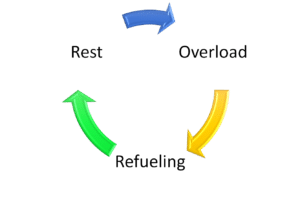
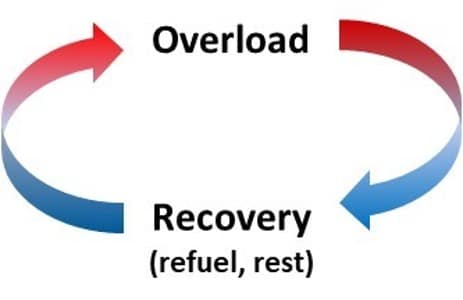
Stress plus rest equals growth.

Kurt Madden, “Over 60” triathlete coach and athlete

Coach Kurt Madden’s Advice on Making Triathlon Training Specific to the Older Endurance Athlete

In this conversation with coach Kurt Madden, we discuss how triathlon training should change as you age after age 50—from recovery and intensity to consistency and long-term progress.

If you’re already training, this guide on how to improve triathlon performance after 50 will help you take the next step.

Key Takeaways: Training for Triathlon After 50

  • Recovery becomes more important with age, and older athletes need more time between training sessions to adapt and stay injury-free.
  • There is no one-size-fits-all training plan—what works for others may not work for you, so it’s essential to listen to your body and adjust accordingly.
  • Variety in training is critical. Combining swimming, cycling, strength training, and flexibility work (like yoga) helps reduce injury risk and improve overall fitness.
  • Strength training and mobility work become increasingly important after 50, especially for maintaining balance, range of motion, and injury prevention.
  • Avoid doing too much too soon. Gradual progression and managing intensity are key to long-term success.
  • A sustainable training plan should fit your lifestyle, time availability, and personal preferences—not just what looks good on paper.
  • Including some higher-intensity sessions—balanced with proper recovery—can improve cardiovascular fitness, even for athletes over 60.
  • Injury prevention should be proactive, not reactive. Building strength (especially core and glutes) and addressing imbalances early can reduce breakdown later.
  • Injury prevention should be proactive, not reactive. Building strength (especially core and glutes), addressing imbalances early, and supporting recovery—including sleep—can reduce breakdown later.
  • Nutrition plays a critical role: prioritize protein, manage carbohydrate intake, and focus on simple, whole foods to support training and recovery.
  • Consistency matters more than perfection. Building sustainable habits—starting small and progressing gradually—is the key to long-term success.

Listen: How Training Changes After 50

Recording of my conversation with triathlon coach and senior triathlete Kurt Madden about how to adapt general training plans for athletes over age 60.

Jump to specific topics in the conversation:

If you don’t have time to listen to the entire conversation now, you can download it for later listening by pressing the three vertical dots to the right of the timeline. You can also jump to a specific point within the conversation.

  • 1:02 – Kurt’s answer to Linda’s question begins with three principles for adapting general training and exercise programs.
  • 3:58 – What to look for in generic training and exercise plans.
  • 7:22 – Best ways for those over 60 to prevent injury when training.
  • 10:51 – Nutrition: How to – and how not to – fuel your body during a training program.
  • 15:09 – Alternatives to trial and error in adapting general training plans.
  • 20:29 – How to develop a consistent, sustainable exercise program.
  • 27:17 – Kurt’s tribute to three senior triathletes from age 78 to 92.

Want to go deeper? Explore related articles:

Related Links

Atomic Habits – Kurt mentioned this book, one I had previously reviewed from the perspective of a triathlete.

TriDot.com – This page shows the training plan options mentioned by Kurt Madden in the recording.

Want to take the next step? Choose your path below.

Whether you’re just getting started or looking to improve, here are your next steps:

New to Triathlon?

Start with a step-by-step guide to triathlon after 50 designed specifically for older athletes.

Start Here →

Already Training?

Learn how to train smarter, recover better, and improve performance after 50.

Improve Performance →

It’s Time for Your Questions and Comments

What questions do you have for Kurt?

Of Kurt’s advice, what did you find most interesting or thought provoking?

Based on his comments, how will your approach to generic training and exercise programs change?

Post your comments below. You may also contact Kurt Madden directly using the email address on his profile page.

Comments: Join the conversation below — Click on “Subscribe” (located above the Comment box) if you’d like to be alerted to replies to your Comment. Even if you do not submit a comment, you may subscribe to be notified when a new comment is published. Please note that I review all comments before they are posted.

This post was first published on May 17, 2023.

error

Enjoy this post? Please spread the word :)