One of the most common questions I hear from people considering triathlon later in life is simple:
“Am I too old to start?”
A recent story featured on Upworthy about a 71-year-old woman who took up strength training in her late 60s provides a clear and encouraging answer: no, you are not too old; in fact, you may be just getting started.
Her experience isn’t about elite performance or breaking records. It’s about something more relevant to most of us—building strength, confidence, and capability at an age when many assume decline is inevitable.
The Real Lesson Isn’t Her Age—It’s Her Starting Point
What makes this story so powerful isn’t that she’s strong at 71. It’s that she started at 68.
That matters for anyone over 50 considering triathlon because it reframes the timeline:
You don’t need decades of training behind you
You don’t need a lifelong athletic background
You don’t need to be “naturally gifted”
You simply need to start.
That’s the same principle behind my own experience—beginning triathlon at 58 and discovering that improvement doesn’t stop with age. In many ways, it begins there.
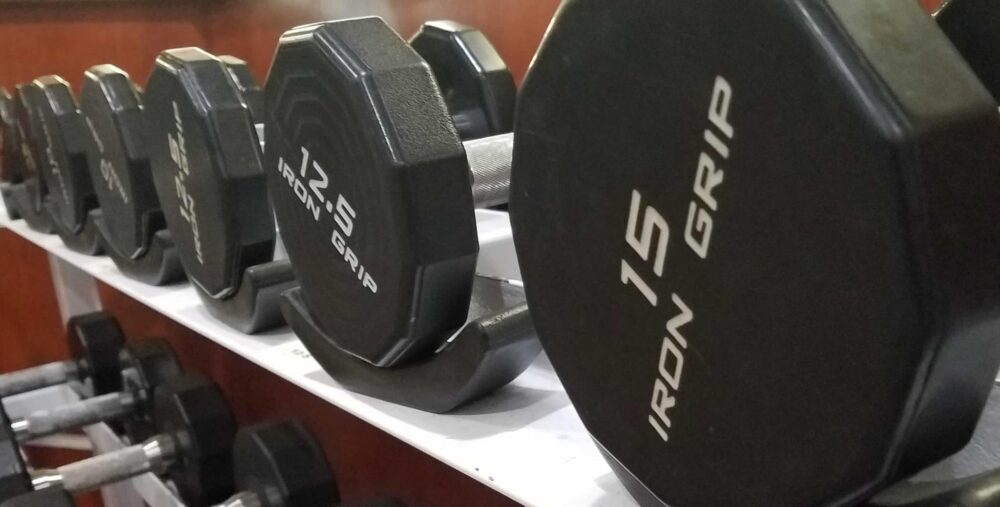
For triathletes, it’s easy to focus only on swimming, biking, and running. But the real takeaway from this story is that strength training is not optional—it’s foundational.
As we age, we naturally lose muscle mass and bone density. Without strength training, that decline affects everything:
Reduced power on the bike
Decreased stability and form when running
Higher risk of injury
Slower recovery between workouts
Strength training reverses much of that trajectory. It supports performance, protects against injury, and improves overall quality of life.
Have you added strength training to your routine—or are you thinking about it?
I’d be interested to hear what’s working for you, or what questions you have about getting started.
Leave a comment below or reach out directly. Your experience may help someone else take that first step.
Comments: We’d love to hear about your experience. Join the conversation below. All comments are reviewed before they appear.
Reply notifications: Click the bell icon above Post Comment to be notified when someone replies to your comment.
Follow the discussion: Click Subscribe above the comment box and enter your email address to receive notifications whenever a new comment is added—even if you don’t leave a comment. After subscribing, check your email and click Confirm to activate notifications.
I am constantly hearing about the importance of strength training for seniors, especially senior endurance athletes. And, I don’t think it’s just because I have become sensitized to its importance.
According to the authors of Muscle tissue changes with aging, “One of the most striking effects of age is the involuntary loss of muscle mass, strength, and function, termed sarcopenia. Muscle mass decreases approximately 3–8% per decade after the age of 30 and this rate of decline is even higher after the age of 60.”
Senior Triathletes coach Tony Washington shared about strength training and its importance to senior triathletes and other multi-sport endurance athletes. According to Tony, senior triathletes and other multi-sport endurance athletes should prioritize strength training as the fourth discipline in triathlon.
Key Takeaways from Coach Tony Washington
Strength training is the “fourth discipline” of triathlon—critical for performance late in races
Most breakdowns are muscular, not cardiovascular, especially under fatigue
Injury prevention is the primary goal, particularly in the lower legs
Senior athletes need more strength work, not less, to offset age-related decline
These points challenged how I had been thinking about strength training—and how I applied it in my own training.
Let’s look more closely at how these ideas apply specifically to senior endurance athletes.
Strength training is just one part of a complete training plan. See how it fits into a broader approach to triathlon training after 50.
Strength Training for Senior Multisport Endurance Athletes
Since publishing my experience with triathlon icon Mark Allen’s strength training program, the post has been among the top most read on SeniorTriathletes.com.
This is not surprising, given the intrinsic loss of strength with age. There is plenty of evidence to show that we may not stop this decline, but we can absolutely slow it down through consistent strength training. This includes some strength training every day, according to Tony Washington.
For a sedate person, starting at about age 40, they can lose as much as a percent of strength per year.
Tony Washington
Before you leave thinking you don’t have time to go to the gym seven days a week, listen to Tony’s approach to strength training and how you can supplement visits to the gym or weight room with strength training while going about your day.
My Conversation with Tony Washington
Recording of my conversation with triathlon coach and senior triathlete Tony Washington
Milestones in our Conversation
If you don’t have time to listen to the entire conversation now, you can download it for later listening. You can also jump to a specific point within the conversation. Just remember, points later in the conversation often build on those Tony made earlier in it.
1:11 – Strength training is underappreciated in triathlon
3:07 – Key goal for strength training
5:15 – Ways strength training for seniors differs from that for our younger selves
8:25 – Three targets for strength training
13:37 – Changes in strength training for seniors as we age
18:41 – Differences in strength training between men and women
21:30 – Approaching strength training when transitioning from a single endurance sport to triathlon
24:55 – Influence of race distance on strength training
27:11 – Reader question about preventing injury when strength training for the bike
30:30 – Final advice: “Do some strength training every day.”
What Tony Washington Wants Senior Endurance Athletes To Remember
Three ideas stood out from my conversation with Tony Washington. First, strength training is not simply about lifting heavier weights. Second, senior athletes benefit from doing some form of strength work consistently, even if it is brief. Third, strength developed in isolation is not enough; we need strength we can use when swimming, biking, and running while tired.
1. Think Stability, Mobility, Then Strength
Tony describes strength training for senior endurance athletes as having three targets: stability, mobility, and strength. Stability helps us control movement and avoid injury. Mobility helps us remain strong through a useful range of motion. Strength helps us continue moving well, especially late in a workout or race.
This is especially important for runners and triathletes because running is, in Tony’s words, much like repeatedly hopping from one foot to the other. Each foot strike places significant force through the feet, ankles, calves, knees, hips, and back. A strong body that is also stable and mobile is better prepared to absorb and return that force.
2. Do Some Strength Training Every Day
This may be the most practical takeaway from our conversation—strength training does not need to be a separate workout to be effective. Tony isn’t suggesting that every senior athlete needs to go to the gym seven days a week. Instead, he encourages athletes to do something—a few simple movements added naturally to other movements—every day along with at least two structured strength sessions each week. These can include:
Calf raises while waiting for coffee, the microwave, or an appointment.
Standing on one foot while brushing your teeth.
Bodyweight squats, lunges, or step-ups during a short break.
Walking up steps two at a time, instead of one.
The point is consistency. Small movements repeated often can help make strength training part of an athlete’s lifestyle rather than one more item competing for time on the training calendar. In other words, strength training becomes something you do throughout the day—not just something you schedule.
One point Tony emphasized really stood out to me:
Coach’s Rule
If you’re short on time, cut endurance—not strength training.
3. Prepare the Body To Perform While Tired
In triathlon, especially, we are rarely performing on fresh legs—the ability to maintain form while tired is what ultimately determines performance. Tony also mentioned using a series of intervals after harder efforts, especially biking and running, to simulate the feeling of longer-distance racing. This prevents overuse fatigue and injury, while still building endurance.
For senior athletes, this does not mean forcing hard workouts when exhausted. It means gradually and safely teaching the body to maintain good form when fatigue is present. Strength training helps support that goal by improving durability, balance, posture, and muscular endurance.
This is where many races are decided—not by fitness alone, but by how well we hold form when tired.
🎧 Related Podcast: Kurt Madden on Growth Mindset, Coaching, and Longevity
In this conversation with Dr. Sarah Gordon, coach Kurt Madden expands on themes that matter to senior endurance athletes, including mindset, community, coaching, and the value of staying active for life.
Listen to
Episode 60 of the PhD Journey Unplugged podcast.
My Main Takeaway About Strength Training for Senior Triathletes
According to Tony Washington, strength training for senior triathletes is less about lifting weights and more about building a body that can handle the demands of swimming, biking, and running—especially when fatigued. For older athletes, this means focusing on stability, mobility, and strength, and finding simple ways to include these throughout the day. Done consistently, this approach not only improves performance but helps us continue swimming, biking, and running well into the later decades of life (see also Recovery After 50).
While strength training creates the stimulus for improvement, the actual adaptation happens during recovery—especially during sleep. Improving sleep quality is one of the simplest ways to get more out of your strength work and continue making progress over time.
Still have questions? Leave a comment—we’d love to hear from you.
What Do You Think?
How has Tony’s perspective changed your idea of strength training? What did you find most interesting or thought provoking? Post your comments below.
Comments: We’d love to hear about your experience. Join the conversation below. All comments are reviewed before they appear.
Reply notifications: Click the bell icon above Post Comment to be notified when someone replies to your comment.
Follow the discussion: Click Subscribe above the comment box and enter your email address to receive notifications whenever a new comment is added—even if you don’t leave a comment. After subscribing, check your email and click Confirm to activate notifications.
This post was originally published on April 18, 2023. I updated it on September 23, 2024 because of a keener sense of the importance of this topic for older athletes. The latest revision was on April 23, 2026.
What does recovery really look like for triathletes over 50—and how does it change as we move into our 60s, 70s, and even 80s?
To answer that question, we surveyed members of the Senior Triathletes community. The goal was simple: learn from real athletes what actually works when it comes to recovery.
We received responses from more than 30 triathletes between their 50s and early 80s. What emerged were clear patterns—and some powerful insights—that can help all of us train smarter and stay healthy longer.
As I reviewed these responses, I found myself reflecting on my own experience training and racing later in life. Many of the themes that emerged—especially the importance of recovery—mirror what I’ve experienced firsthand and shared in Triathlon Adventures Across America.
Nutrition and scheduled rest days were also important, though mentioned slightly less often.
Together, these responses paint a clear picture of how recovery evolves with age.
Sleep is the foundation of recovery for older triathletes.
What this tells us
Recovery for older triathletes is not just about taking a day off. It is an active process that includes:
maintaining mobility
supporting the body with strength work
managing training stress
Recovery in Your 50s: Still Strong, But Changing
For many athletes, their 50s are a time of continued performance with the first signs of change.
Recovery is still relatively quick—but no longer automatic.
Athletes in this group noted:
the need to be more intentional about recovery
increasing importance of stretching and strength work
early signs that hard efforts require more attention afterward
In short, recovery is no longer something that just happens—you begin to manage it deliberately.
What Changes in Your 60s
The 60s appear to be a turning point.
A consistent theme in the responses was that recovery takes longer—and the difference is noticeable.
One athlete put it simply:
“It takes longer to recover from strength training and hard workouts.” — Age 61
Others expressed similar experiences, noting that hard efforts require more planning and more recovery time than they once did.
Athletes in their 60s reported:
needing more recovery time between hard sessions
being more selective about intensity
placing greater emphasis on strength training and mobility
This is where many triathletes begin to shift from a mindset of pushing harder to one of training smarter.
Recovery in Your 70s and Beyond
This is where the most significant changes occur—and where the insights become especially valuable.
Now in my 70s, I can relate to many of these responses. Recovery is no longer something I take for granted—it’s something I actively manage. The difference isn’t just physical; it’s a shift in mindset.
The dominant theme across responses in this age group was clear:
Recovery takes longer—and it cannot be rushed.
One athlete captured it well:
“It just takes longer to recover. Cannot be forced.” — Age 81
Others emphasized the need to allow more space around hard efforts and to avoid pushing through fatigue.
Common themes included:
needing one or more easy days after intense sessions
placing greater importance on sleep
focusing on consistency rather than intensity
paying close attention to how the body responds
Perhaps the most important shift is this:
training plans still matter
but listening to your body matters more
Does Experience Matter as Much as Age?
While this survey focused on age, another interesting pattern emerged when looking at years in the sport.
Athletes newer to triathlon tended to focus on specific recovery strategies such as hydration, stretching, and nutrition—what to do.
In contrast, athletes with more than 10 years of experience were more likely to emphasize judgment:
listening to their bodies
managing effort
avoiding the temptation to push through fatigue
In other words:
Experience doesn’t eliminate the need for recovery—but it improves how you respond to it.
Age determines how much recovery you need.
Experience helps you learn how to manage it. This becomes especially important as recovery time increases with age.
What All Age Groups Agree On
Despite the differences across decades, several themes were consistent:
For triathletes over 50, sleep is the most important recovery tool
Strength and mobility work are essential
Recovery is an active process, not just rest
Listening to your body becomes increasingly important
Key Takeaways for Senior Triathletes
If there is one message from this survey, it is this:
Recovery is not a limitation—it is a skill.
And like any skill, it evolves with experience.
In your 50s, you begin to pay attention
In your 60s, you start to adapt
In your 70s and beyond, you learn to respect recovery as the key to staying in the sport
“Don’t worry about getting older. Train for getting older.” — Barb, The Villages Triathlon Club
Her comment is consistent with the encouraging findings from this survey: that triathletes are not simply slowing down—they are getting smarter.
By prioritizing recovery, adjusting expectations, and listening to their bodies, senior triathletes continue to train, race, and enjoy the sport for years—often decades—longer than they ever expected.
This journey—and the lessons learned along the way—are part of what I share in Triathlon Adventures Across America, where recovery, resilience, and adaptation play a central role.
Want to take the next step? Choose your path below.
Whether you’re just getting started or looking to improve, here are your next steps:
New to Triathlon?
Start with a step-by-step guide to triathlon after 50 designed specifically for older athletes.
Still have questions? Leave a comment—we’d love to hear from you.
Comments
Share your questions and experience with others in the senior triathlon community in the Comments below. Visit SeniorTriathletes.com for more stories, training insights, and resources.
Comments: We’d love to hear about your experience. Join the conversation below. All comments are reviewed before they appear.
Reply notifications: Click the bell icon above Post Comment to be notified when someone replies to your comment.
Follow the discussion: Click Subscribe above the comment box and enter your email address to receive notifications whenever a new comment is added—even if you don’t leave a comment. After subscribing, check your email and click Confirm to activate notifications.
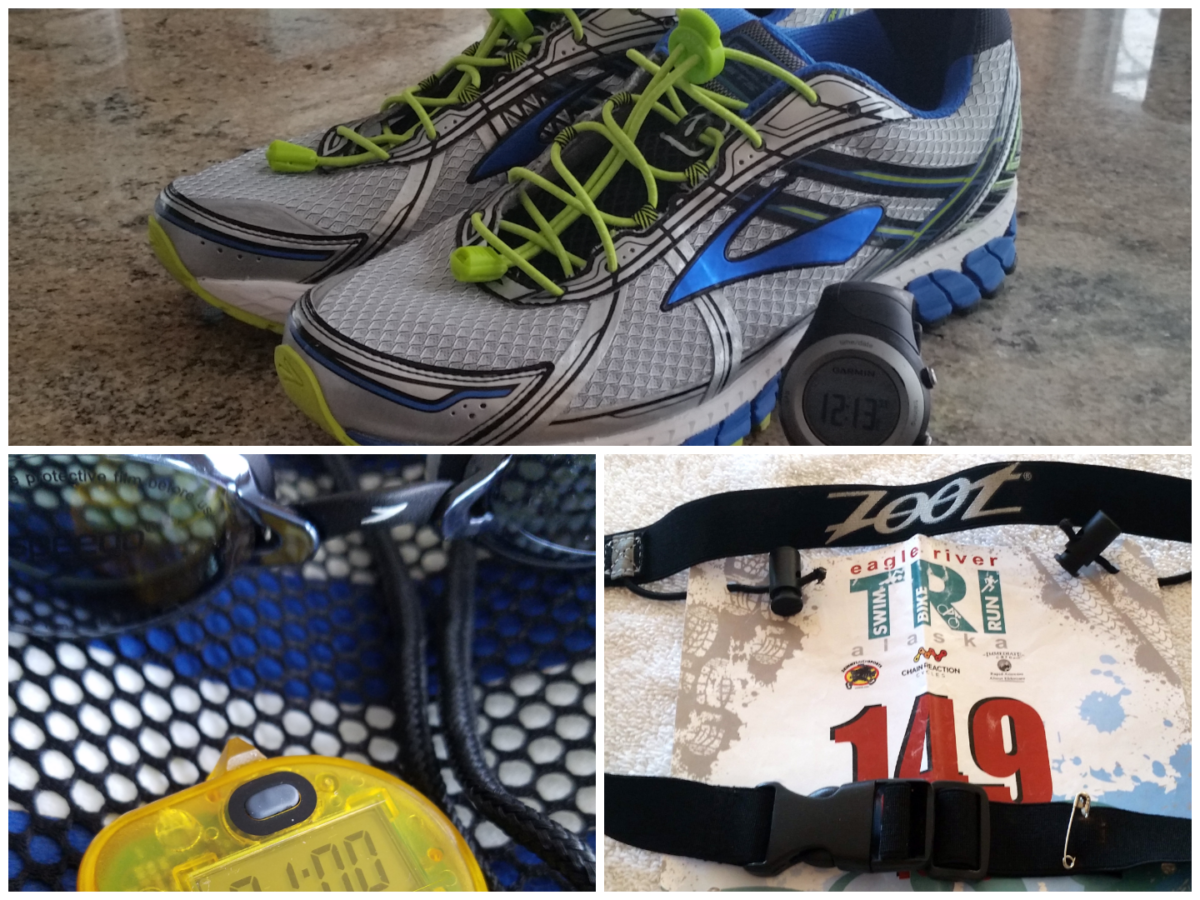
Getting started in triathlon doesn’t require a second mortgage. You can begin with minimal gear and invest more as your passion for the sport grows. To help you get started, here’s a two-tiered checklist focused on the needs of athletes over 50.
BASIC: The Essentials
This checklist covers what you absolutely need to complete your first sprint or super sprint triathlon safely and comfortably.
Swim
Swimsuit: A one-piece for women, or jammers/briefs for men.
Goggles: A comfortable pair that fits well and doesn’t leak.
Swim Cap: Often provided by the race, but having your own is good for training.
Bike
Bicycle: You can use any roadworthy bike—a road bike, hybrid, or even a mountain bike will work for your first race. Focus on comfort and fit.
Helmet: This is non-negotiable. A CPSC-certified helmet is required for all triathlon races.
Running Shoes: You can wear your running shoes on the bike for your first race, clipped pedals are a future goal.
Water Bottle: Essential for hydration during the ride.
Run
Running Shoes: A comfortable, well-fitting pair of running shoes is your most important piece of gear. Consider being fitted at a running specialty store.
Socks: A pair that wicks moisture to prevent blisters.
Race Day
Tri Suit: While a tri suit is convenient, for your first race, a swimsuit for the swim and comfortable athletic clothes for the bike and run will suffice.
Race Belt: An elastic belt to hold your race bib number, so you don’t have to pin it to your shirt.
Sunscreen: Protect your skin, especially if you’re fair-skinned. However, choose a product based on natural SPFs such as Badger Sport mineral sunscreen.
Nutritional Gels/Chews: These are not necessary for a sprint or shorter distance race, but you may want to use them during longer training sessions. I used gummy bears for my first triathlon.
NEXT LEVEL: Upgrading Your Gear
Once you’ve fallen in love with the sport, you may want to upgrade to gear that can improve performance, comfort, and safety.
Swim:
Wetsuit: Required for open water swims in colder temperatures and can also provide buoyancy, making swimming easier.
Anti-Fog Spray: For your goggles.
Bike:
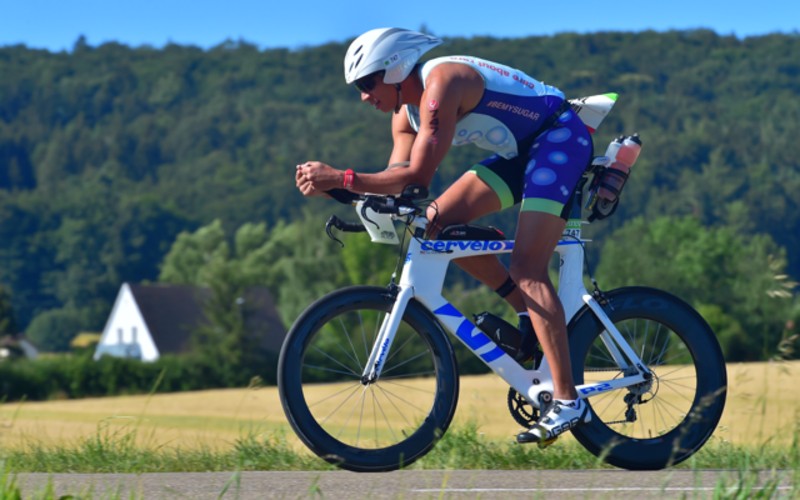
Road or Triathlon Bike: A lighter, more efficient bike designed for speed and endurance.
Padded Bike Shorts or Tri Shorts: Provides comfort on longer rides.
Bike-Specific Shoes and Clipless Pedals: Allows you to generate more power and ride more efficiently.
Cycling Sunglasses: Provides eye protection from sun, wind, and debris.
Repair Kit: A small bag with tire levers, a spare tube, and a CO2 inflator or small pump.
Run
Race-Specific Running Shoes: Lighter shoes designed for speed on race day.
Elastic Laces: Also known as “lock laces”, these reduce the bike to run transition time.
Running Hat/Visor: Shields your face from the sun.
Technology & Accessories
GPS Watch: A multi-sport watch to track your swim, bike, and run metrics.
Heart Rate Monitor: Helps you train in the correct zones for your goals.
Bike Computer: Tracks speed, distance, and other metrics in real-time.
Transition Towel: A bright towel to easily identify your spot in the transition area.
Recovery Aids: A foam roller and massage gun are helpful for speeding recovery during your training phase.
What Did I Miss?
Are there any items you consider essential not included in this list?
Comments: We’d love to hear about your experience. Join the conversation below. All comments are reviewed before they appear.
Reply notifications: Click the bell icon above Post Comment to be notified when someone replies to your comment.
Follow the discussion: Click Subscribe above the comment box and enter your email address to receive notifications whenever a new comment is added—even if you don’t leave a comment. After subscribing, check your email and click Confirm to activate notifications.






Comments: We’d love to hear about your experience. Join the conversation below. All comments are reviewed before they appear.
Reply notifications: Click the bell icon above Post Comment to be notified when someone replies to your comment.
Follow the discussion: Click Subscribe above the comment box and enter your email address to receive notifications whenever a new comment is added—even if you don’t leave a comment. After subscribing, check your email and click Confirm to activate notifications.