
AI’s Impact On Triathlon Coaching for Older Athletes
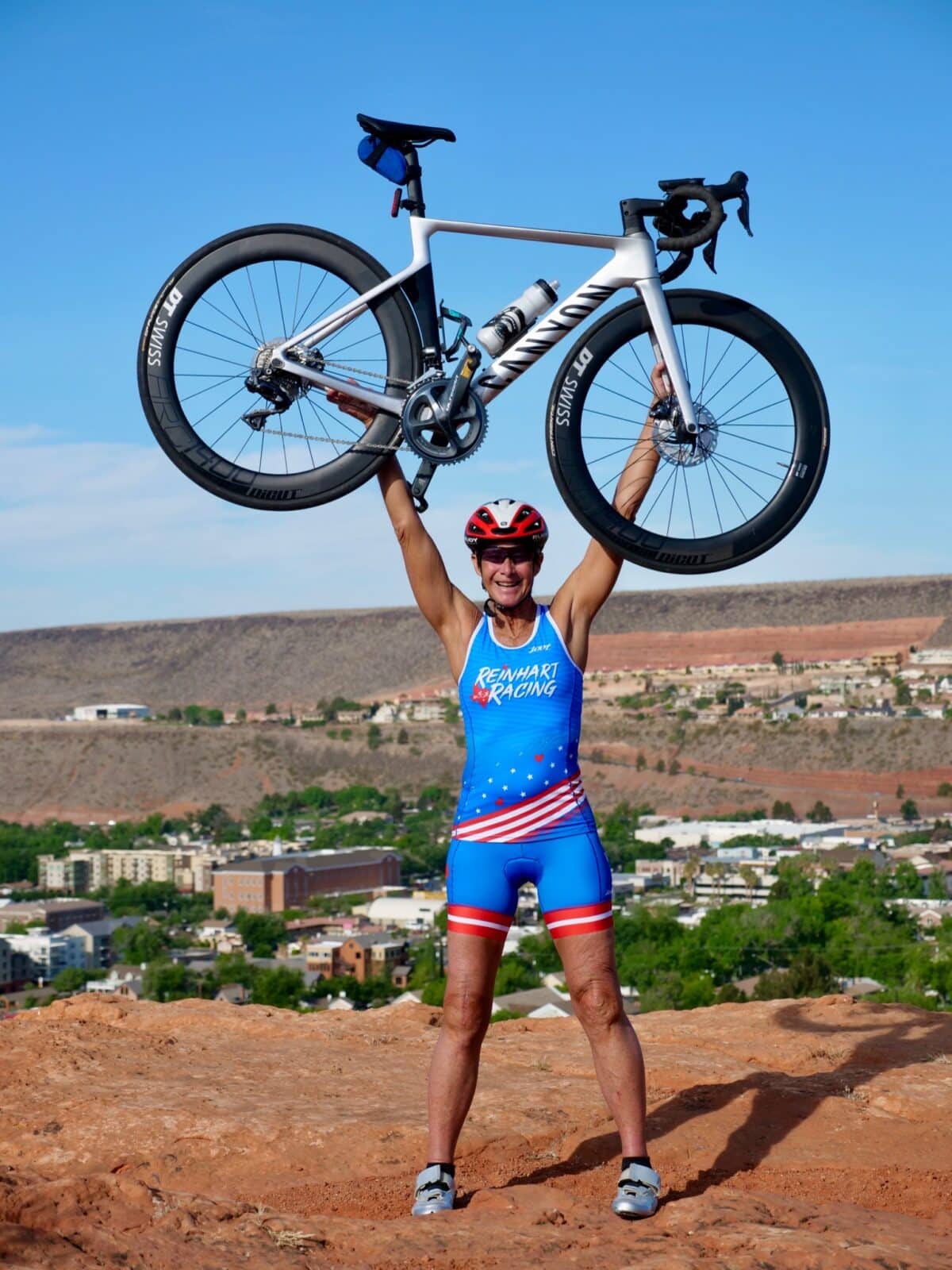
by Kurt Madden
The following question from one reader is the basis for this post: “How has AI really affected triathlon coaching for older athletes? What does the human coach add?”
The One Thing That Never Changes
As the sport of triathlon continues to evolve, one constant remains: change. Gear, training plans, and the role of professional coaching have transformed significantly over the years.
This article aims to illustrate how technology, artificial intelligence, algorithms, and a professional coach can add value to the triathlon journey for senior athletes.
AI’s Strength for Senior Triathletes
Much like how apps and technology enable more efficient routes when traveling to unfamiliar places, our sport can be trained more effectively by using vetted, fine-tuned AI-driven training plans. However, a simple AI or chatbot, like ChatGPT, cannot incorporate all the factors influencing training success—such as age, start date, lifestyle, nutrition, body metrics, stress, readiness, and environmental variables.
In essence, generic plans might work for one person but not another. Companies claiming to use AI often differ widely in their approach. Conversely, platforms like TriDot are designed to provide senior athletes with:
- Age-Specific Personalization: Adjusts workout intensity, volume, and recovery based on the athlete’s age. For example, a 65-year-old receives different prescriptions compared to a 35-year-old, ensuring effective yet safe training.
- Normalized Training Stress (NTS): Quantifies training stress considering age, fitness, and environmental conditions, reducing injury risk and promoting long-term consistency.
- Environmental Normalization: Adjusts guidance based on variables like temperature, humidity, elevation, and terrain, allowing seniors to train optimally in various settings.
- Fewer Injuries & Improved Performance: Data shows that senior athletes training with platforms like TriDot experience fewer injuries and significant performance gains—some qualifying for world championships while training fewer hours than traditional plans.
- Continuous Adaptation: The system updates prescriptions based on ongoing performance and recovery data, helping athletes avoid overtraining and ensuring progress.
Where Does a Coach Come In?
A common question might be: “If I use a vetted AI training platform, why do I need a coach?”
Throughout my career as an educator, coach, and consultant, I’ve seen the immense value of a “thought partner” or accountability partner. Every athlete is unique—like a puzzle piece—and having a coach skilled in emotional intelligence and personalized guidance can be priceless.
A professional coach can benefit any athlete at any distance. Sure, a person doing a sprint race will face different issues and challenges than a person doing a 70.3 or full distance event. Still, they all benefit from the human support.
Relative to AI, a professional coach can leverage AI platforms to address:
- Medical history, medications, orthopedic limitations, surgical history
- Adjustments for arthritis, bone health, tendons, and prior injuries
- Menopause- or andropause-specific recovery and strength strategies
- Technique improvements (swim stroke, bike fit, run gait)
- Smarter recovery and strength programs
- Personalized nutrition and race fueling strategies
- Data interpretation (HRV, sleep, fatigue) for injury prevention
- Decision-making strategies, such as when to cut or modify sessions
- Motivation, mental skills, and race rehearsal guidance
Here’s What Senior Triathletes Say
The synergy of a vetted AI platform with a credentialed coach provides the “best of both worlds.” Conversations with athletes and coaches indicate that this combined approach can improve performance by approximately 30%.
Here are testimonials from two senior female triathletes using TriDot and my coaching services:
“As a 61-year-old with nearly two decades of racing, I was invited by my coach, Kurt Madden, to share my experience with AI-based training. Before Tridot in 2018, I relied on generic plans and brief coaching support. Despite aging, my drive remains strong. AI helped me train smarter by personalizing daily plans based on my thresholds, age, and environmental factors. Over the years, it emphasized more rest and Zone 2 training without sacrificing performance. My VO2max and race results have improved or remained steady in seven years—without injury. AI can manage training effectively, but it cannot replace the emotional and strategic support of a coach. Together, they offer the best outcome.”
And, here is what another senior triathlete wrote:
“Approaching 70 and with 20 years of Ironman and 70.3 races, I initially used Tridot’s AI plans without a coach. The AI was helpful but lacked personal insight into mental and life challenges. When I qualified for the Ironman World Championships in Nice, I partnered with a coach to add that human element. The coach tailored my training, helped me avoid overtraining, and ensured safety. AI provided the foundation, while the coach ensured my success—especially for an older athlete.”
The Choice Is Yours
In conclusion, triathlons are a complex sport, blending swimming, biking, running, strength training, recovery, nutrition, race strategy, and more. Some athletes prefer a DIY route, while others seek long-term sustainability and enjoyment through top-tier training platforms paired with experienced coaches. The right combination can make all the difference.
Related post: Why Should Seniors Use A Triathlon Coach?
What Has Been Your Experience?
Let us know in the Comments below what you have learned about the pros and cons of an AI-only training plan.





Comments: We’d love to hear about your experience. Join the conversation below. All comments are reviewed before they appear.
Reply notifications: Click the bell icon above Post Comment to be notified when someone replies to your comment.
Follow the discussion: Click Subscribe above the comment box and enter your email address to receive notifications whenever a new comment is added—even if you don’t leave a comment. After subscribing, check your email and click Confirm to activate notifications.