The following question from one reader is the basis for this post: “How has AI really affected triathlon coaching for older athletes? What does the human coach add?”
The One Thing That Never Changes
As the sport of triathlon continues to evolve, one constant remains: change. Gear, training plans, and the role of professional coaching have transformed significantly over the years.
This article aims to illustrate how technology, artificial intelligence, algorithms, and a professional coach can add value to the triathlon journey for senior athletes.
AI’s Strength for Senior Triathletes
Much like how apps and technology enable more efficient routes when traveling to unfamiliar places, our sport can be trained more effectively by using vetted, fine-tuned AI-driven training plans. However, a simple AI or chatbot, like ChatGPT, cannot incorporate all the factors influencing training success—such as age, start date, lifestyle, nutrition, body metrics, stress, readiness, and environmental variables.
In essence, generic plans might work for one person but not another. Companies claiming to use AI often differ widely in their approach. Conversely, platforms like TriDot are designed to provide senior athletes with:
Age-Specific Personalization: Adjusts workout intensity, volume, and recovery based on the athlete’s age. For example, a 65-year-old receives different prescriptions compared to a 35-year-old, ensuring effective yet safe training.
Normalized Training Stress (NTS): Quantifies training stress considering age, fitness, and environmental conditions, reducing injury risk and promoting long-term consistency.
Environmental Normalization: Adjusts guidance based on variables like temperature, humidity, elevation, and terrain, allowing seniors to train optimally in various settings.
Fewer Injuries & Improved Performance: Data shows that senior athletes training with platforms like TriDot experience fewer injuries and significant performance gains—some qualifying for world championships while training fewer hours than traditional plans.
Continuous Adaptation: The system updates prescriptions based on ongoing performance and recovery data, helping athletes avoid overtraining and ensuring progress.
Where Does a Coach Come In?
A common question might be: “If I use a vetted AI training platform, why do I need a coach?”
Throughout my career as an educator, coach, and consultant, I’ve seen the immense value of a “thought partner” or accountability partner. Every athlete is unique—like a puzzle piece—and having a coach skilled in emotional intelligence and personalized guidance can be priceless.
A professional coach can benefit any athlete at any distance. Sure, a person doing a sprint race will face different issues and challenges than a person doing a 70.3 or full distance event. Still, they all benefit from the human support.
Relative to AI, a professional coach can leverage AI platforms to address:
Medical history, medications, orthopedic limitations, surgical history
Adjustments for arthritis, bone health, tendons, and prior injuries
Menopause- or andropause-specific recovery and strength strategies
Technique improvements (swim stroke, bike fit, run gait)
Smarter recovery and strength programs
Personalized nutrition and race fueling strategies
Data interpretation (HRV, sleep, fatigue) for injury prevention
Decision-making strategies, such as when to cut or modify sessions
Motivation, mental skills, and race rehearsal guidance
Here’s What Senior Triathletes Say
The synergy of a vetted AI platform with a credentialed coach provides the “best of both worlds.” Conversations with athletes and coaches indicate that this combined approach can improve performance by approximately 30%.
Here are testimonials from two senior female triathletes using TriDot and my coaching services:
“As a 61-year-old with nearly two decades of racing, I was invited by my coach, Kurt Madden, to share my experience with AI-based training. Before Tridot in 2018, I relied on generic plans and brief coaching support. Despite aging, my drive remains strong. AI helped me train smarter by personalizing daily plans based on my thresholds, age, and environmental factors. Over the years, it emphasized more rest and Zone 2 training without sacrificing performance. My VO2max and race results have improved or remained steady in seven years—without injury. AI can manage training effectively, but it cannot replace the emotional and strategic support of a coach. Together, they offer the best outcome.”
And, here is what another senior triathlete wrote:
“Approaching 70 and with 20 years of Ironman and 70.3 races, I initially used Tridot’s AI plans without a coach. The AI was helpful but lacked personal insight into mental and life challenges. When I qualified for the Ironman World Championships in Nice, I partnered with a coach to add that human element. The coach tailored my training, helped me avoid overtraining, and ensured safety. AI provided the foundation, while the coach ensured my success—especially for an older athlete.”
The Choice Is Yours
In conclusion, triathlons are a complex sport, blending swimming, biking, running, strength training, recovery, nutrition, race strategy, and more. Some athletes prefer a DIY route, while others seek long-term sustainability and enjoyment through top-tier training platforms paired with experienced coaches. The right combination can make all the difference.
Let us know in the Comments below what you have learned about the pros and cons of an AI-only training plan.
Comments: We’d love to hear about your experience. Join the conversation below. All comments are reviewed before they appear.
Reply notifications: Click the bell icon above Post Comment to be notified when someone replies to your comment.
Follow the discussion: Click Subscribe above the comment box and enter your email address to receive notifications whenever a new comment is added—even if you don’t leave a comment. After subscribing, check your email and click Confirm to activate notifications.
Electrolytes play a critical role in keeping senior endurance athletes hydrated. These elements and simple chemical compounds make sure the water we consume is available to support key bodily functions.
Water is necessary for regulating body temperature, transporting nutrients throughout our bodies, lubricating joints, and other bodily processes. However, as we age, thirst becomes less reliable as an indicator of hydration level. With the less sensitive thirst response, we are more likely to become dehydrated and, therefore, need to pay more attention to staying hydrated.
Many of the senior triathletes whose experiences are described in Our Stories have provided firsthand evidence of the importance of hydration. Pat Hawks, for example, has seen the terrible consequences of becoming dehydrated in other triathletes. For this reason, she has become a stickler about staying hydrated, especially during hard exercise and races. To make sure she has adequate electrolytes, she often drinks coconut water because of its potassium content.
When Steve Stewart forgot to follow his hydration plan during IRONMAN Wisconsin 2021, he became dehydrated and eventually dropped out of the race. Laurent Labbe had a similar experience.
More recently, I learned that dehydration can be a trigger for the heart condition atrial fibrillation (Afib) and can lead to increased blood pressure.
Why Is Dehydration During Strenuous Exercise A Problem?
Each of our trillions of cells requires fluid to maintain their shape and to perform their function. Related to physical exercise accompanying triathlon and other multi-sport endurance training and racing, these functions include:
Cellular respiration involving breakdown of glucose to produce energy as adenosine triphosphate (ATP). This process produces carbon dioxide (CO2) as a waste product. Dehydration can, therefore, lead to reduced energy.
Protein metabolism in which amino acids are broken down, making them available for various bodily functions. This process produces nitrogen-containing waste, such as ammonia. The cells also convert ammonia into less toxic compounds which are eliminated by the kidneys after being removed from the cell.
Lipid metabolism breaks down fats (lipids) to produce energy. This process can generate waste products, such as ketones.
DNA and RNA turnover and repair. These processes have a unique set of waste products, some of which are recycled or converted to other molecules.
Cells are also responsible for neutralizing and eliminating toxins or certain foreign substances. There may be waste products within the cell from efforts to deal with the toxins.
As you can see, we have a lot going on within our bodies and it’s happening 24/7. But these processes can only occur properly if we have fed and hydrated our bodies correctly.
Did You Know You Can Become Dehydrated Even While Drinking Water?
Yes, you may become dehydrated at a cellular level even if you are drinking water. Cellular dehydration occurs when there is an imbalance between the water entering and leaving the cells. This leads to a decrease in the overall water content within the cells.
Even for a seemingly healthy person, an imbalance or loss of electrolytes will contribute to cellular dehydration, despite adequate water intake.
How Do Electrolytes Contribute to Cellular Hydration?
According to information in What Is Hydration on a Cellular Level and Why Is It Important?, electrolytes such as sodium, potassium, chloride, calcium, magnesium, phosphate, and bicarbonate play a vital role in maintaining the balance of fluids within and around cells.
“Taking in enough fluid is the first step to achieving cellular hydration. Your cell membranes are highly permeable to water (meaning they permit water to pass through them), and water follows osmotic gradients. Osmotic gradients are generated when the concentration of solutes, such as sodium, is higher on one side of the membrane than the other.
“In the context of your cells, this means if you don’t have enough water circulating through your body, water will be drawn from the inside of the cells due to increased osmotic pressure — causing those cells to shrink. When your body contains enough water, this lowers the concentration of solutes in your body fluids, which allows more water to move inside of the cells and restore their shape.”
Electrolytes, a subset of the broader category of solutes, are essential to hydration. These minerals carry an electric charge and help maintain various physiological functions in the body. If there is an imbalance in electrolytes, especially sodium, cellular dehydration occurs. For the endurance athlete, proper electrolyte balance is necessary for optimal muscle contractions, nerve function, and overall cellular function.
Why Senior Triathletes Need More Sodium Than Standard Guidelines Suggest
Sweating is the body’s natural mechanism for cooling during exercise. Sweating not only releases water but also essential electrolytes, including sodium, magnesium, potassium, and iodine. Drinking only water can dilute blood sodium levels.
A problem can arise from the fact that most public health salt recommendations are intended for sedentary adults—not active adults over 50 who train for triathlons. Therefore, restricting sodium can actually backfire senior triathletes. Losing significant quantities of electrolytes raises the risk of dehydration, muscle cramps, fatigue, dizziness, and exercise-associated hyponatremia.
Drinking only water can lead to us become functionally dehydrated during longer training sessions or races. Even mild dehydration leads to fatigue, reduced endurance, and impaired concentration as energy production wanes and waste products build up inside cells. The latter is believed to be one cause of muscle cramps.
Research cited in The Salt Fix shows athletes may lose 1,400–2,800 mg of sodium per hour depending on temperature and intensity. That means a single workout can exceed the daily recommended sodium intake.
For older athletes—who often sweat less efficiently and may have reduced thirst signals—getting the right balance of sodium and fluids becomes even more important.
Benefits of Adequate Sodium for Senior Triathletes
Better hydration and heat tolerance
Fewer muscle cramps and less fatigue
Improved power, stamina, and recovery
Lower risk of hyponatremia during endurance events
How To Stay Hydrated At A Cellular Level
Staying hydrated at a cellular level requires more than simply drinking water. It involves consistently supplying the body with both fluids and electrolytes so water can enter cells, support metabolism, and remove waste products.
Effective cellular hydration improves endurance, supports recovery, and reduces the risk of fatigue, cramps, and heat-related problems—especially for older athletes.
The following strategies help ensure hydration where it matters most: inside your cells.
Most fruits and vegetables are 80–95% water and also supply potassium, magnesium, and other minerals that support fluid balance. Including these foods regularly helps maintain baseline hydration outside of training sessions.
Most fruits and vegetables contain 80% to 95% water. Many also provide much needed electrolytes.
Drink Water Throughout The Day
Water is necessary for regulating body temperature, transporting nutrients throughout our bodies, lubricating joints, and other bodily processes. However, as we age, thirst becomes less reliable as an indicator of hydration level. With the less sensitive thirst response, we are more likely to become dehydrated and, therefore, need to pay more attention to staying hydrated.
To help you set a daily goal, consider this calculator for daily water intake. Remember that coffee and tea, in moderation, are legitimate sources of water. So, are many foods.
“It is helpful to remember that water can come in many forms. These include the obvious ones, including coffee, tea, milk, and soup. Water can also be consumed in fruits and vegetables. Registered nutritionist and chef Ian Harris points out that ‘vegetables such as celery, cucumber, iceberg lettuce, tomato and zucchini contain over ninety percent water’. In addition, ‘melons such as cantaloupe and watermelon have some of the highest water content, at more than 90 percent.’ Many other commonly available fruits contain over 80 percent water.”
Since it takes time for our body to absorb and distribute water we ingest, sipping water throughout the day is more effective than downing a day’s volume in one or two sittings.
Other liquids such as bouillon and pickle juice, are sources of electrolytes with water.
Add Salt To Your Water
During prolonged or intense exercise—especially in warm conditions—sweat loss can quickly deplete sodium. Replacing fluid without replacing sodium can impair hydration and increase the risk of fatigue or hyponatremia.
For endurance athletes who sweat heavily, adding salt to water is a simple and inexpensive way to support electrolyte balance. The author of The Salt Fix recommends Redmonds Real Salt, an ancient sea salt mined in the USA. This salt contains a broad profile of minerals in addition to sodium. These include calcium, magnesium, potassium, and iodine.
General sodium guidelines often used by endurance athletes include:
~½ teaspoon salt (~1,150 mg sodium) about 30 minutes before exercise
½–1 teaspoon salt per hour during long or hot training sessions
Individual needs vary widely based on sweat rate, sweat sodium concentration, temperature, and exercise duration. These strategies should be tested in training—not introduced for the first time on race day. Always consider personal medical history and consult a physician before making significant dietary changes.
Bottom line: For senior triathletes, sodium isn’t the enemy—it’s a performance and safety essential.
Use Electrolyte Beverages When Appropriate
Electrolyte powders, tablets, and sports drinks can be useful tools during long workouts or races. These products are designed to replace sodium and other electrolytes lost through sweat while also providing fluid.
Some products emphasize higher sodium content with minimal sugar, while others combine electrolytes with carbohydrates. The best choice depends on workout duration, intensity, fueling strategy, and gastrointestinal tolerance.
One commercial product my wife and I began using recently is supplied by LMNT. Each packet of powdered additive and can of sparkling water includes 1000 mg of sodium, 200 mg of potassium, and 60 mg of magnesium.
While they have an unflavored powder, LMNT products are available in several naturally flavored fruit, chocolate, and chocolate caramel flavors.
Regardless of the product, the goal remains the same: support fluid absorption and maintain electrolyte balance so hydration reaches the cellular level.
Pay Attention To Your Body
The main symptoms of dehydration are excessive thirst, dark urine, dizziness, and fatigue. Be sure to seek medical attention if these symptons persist.
Conclusions
Staying hydrated in the correct way, with water and electrolytes, gives our bodies the right fuel and ensures important systems continue working smoothly.
Whether we’re playing sports, running around, or just going about our day, water will help us feel good and stay healthy. However, we must also maintain the proper balance of electrolytes to be sure the water is getting into our cells, is being maintained at the proper level, and waste products generated within our cells are being removed.
Want to take the next step? Choose your path below.
Whether you’re just getting started or looking to improve, here are your next steps:
New to Triathlon?
Start with a step-by-step guide to triathlon after 50 designed specifically for older athletes.
Still have questions? Leave a comment—we’d love to hear from you.
Please Leave Your Questions and Comments Below
Comments: We’d love to hear about your experience. Join the conversation below. All comments are reviewed before they appear.
Reply notifications: Click the bell icon above Post Comment to be notified when someone replies to your comment.
Follow the discussion: Click Subscribe above the comment box and enter your email address to receive notifications whenever a new comment is added—even if you don’t leave a comment. After subscribing, check your email and click Confirm to activate notifications.
Disclaimer: Please note that SeniorTriathletes.com is a participant in the Amazon Services LLC Associates Program. This is an affiliate advertising program that provides a way for sites to earn advertising fees. They do this by advertising and linking to amazon.com. Amazon, the Amazon logo, AmazonSupply, and the AmazonSupply logo are trademarks of Amazon.com, Inc. or its affiliates. As an affiliate, I will receive a small commission for any purchases of this product that you make through Amazon if you use the links in this post.
This post was originally published on December 12, 2023. This revision includes information from The Salt Fix about the need for additional sodium and the dangers of too little sodium, especially for older, endurance athletes.
Deciding to train for a triathlon felt like a mix of excitement and madness. I was 53, more used to my office chair than a bike saddle, and the idea of swimming, biking, and running in one event seemed like something only for elite athletes in their twenties. Still, a spark of curiosity was ignited. I wanted a new challenge, a way to redefine what I thought was possible for myself in this new chapter of life. That journey from hesitant beginner to confident finisher taught me more than I ever expected.
The world of triathlon might seem intimidating at first, filled with images of super-fit athletes and advanced equipment. But I found a different reality—one that is welcoming, doable, and deeply rewarding, especially for those of us who start later in life. If you’re in the same place I was, wondering if you have what it takes, I want to share the five most important lessons I learned. These insights helped me reach the finish line and can help you start your own amazing journey.
1. Triathlons Are for Every Body Type
Before I signed up for my first race, I imagined a typical triathlete as someone lean, muscular, and probably half my age. I worried I was too old, not in good enough shape, and didn’t fit that mold. This is the biggest myth I want to bust. Triathlons are open to everyone, no matter your age, weight, or current fitness level.
At my first event, I was amazed by the variety of participants. There were people of all shapes and sizes, from college students to retirees in their 70s and 80s. I saw competitors who were muscular and others who were slender. Some looked like seasoned athletes, while many, like me, appeared to be regular folks who decided to do something extraordinary. The finish line doesn’t care about your age or body type; it only cares that you showed up and did your best.
This past June, I participated in the Alpha Win Hudson Valley Triathlon. I saw an 85-year-old woman cross the finish line and receive a first-place medal. The triathlon community adopts a “finish line, not finish time” mindset, especially at the sprint and beginner levels. The focus is on participation and personal achievement. Whether you walk the entire run or swim with your head above water, completing the race is a major victory. The shared experience of pushing personal limits creates an instant bond among competitors. You’ll receive more encouragement and high-fives from strangers on the course than you might expect.
When I committed to my first triathlon, I fell into a classic beginner’s trap: thinking I needed the best of everything to succeed. I went all in, buying a sleek, expensive carbon-fiber road bike with a power meter, a top-tier wetsuit, and every gadget the internet and my first coach told me was essential. I learned the hard way that my bank account took a much bigger hit than it needed. That fancy bike was beautiful, but it was also tough for a beginner. I spent more time worrying about scratching it than enjoying my rides. The truth is, you can complete your first triathlon using the basics. Found an old hybrid bike in your garage? Dust it off, get it tuned up, and it’ll get you through a sprint-distance race just fine. Any comfortable swimsuit will do for the pool, and a basic pair of goggles is all you need.
Start with what you have or can borrow. Focus your initial investment on a few key items that prioritize safety and comfort, such as a properly fitted helmet and a good pair of running shoes. As you progress in the sport, you can gradually upgrade your equipment. You will have a much clearer idea of what you truly need and prefer after you have a race or two under your belt. Don’t let the perceived cost of entry keep you from starting.
3. Find Your Tribe: The Power of Community
Training for a triathlon involves three different sports and doing it all alone can feel isolating and overwhelming. The most effective way I stayed motivated was by connecting with others. Finding a community, whether it’s a local tri club, a group of friends, or an online forum, can make all the difference. At first, I trained with my friend. But when she joined a triathlon club, I ended up going at it alone. Throughout my time in the sport, I found training partners and formed my own triathlon club, WeREndurance.
This “tribe” becomes your support system. They are the ones who will celebrate your progress, pick you up after a challenging workout, and cheer the loudest for you on race day. They understand the unique challenges and triumphs of this sport. If a local club isn’t an option, look for Facebook groups or other online communities. Sharing your journey, even virtually, helps keep you accountable and reminds you that you are part of something bigger.
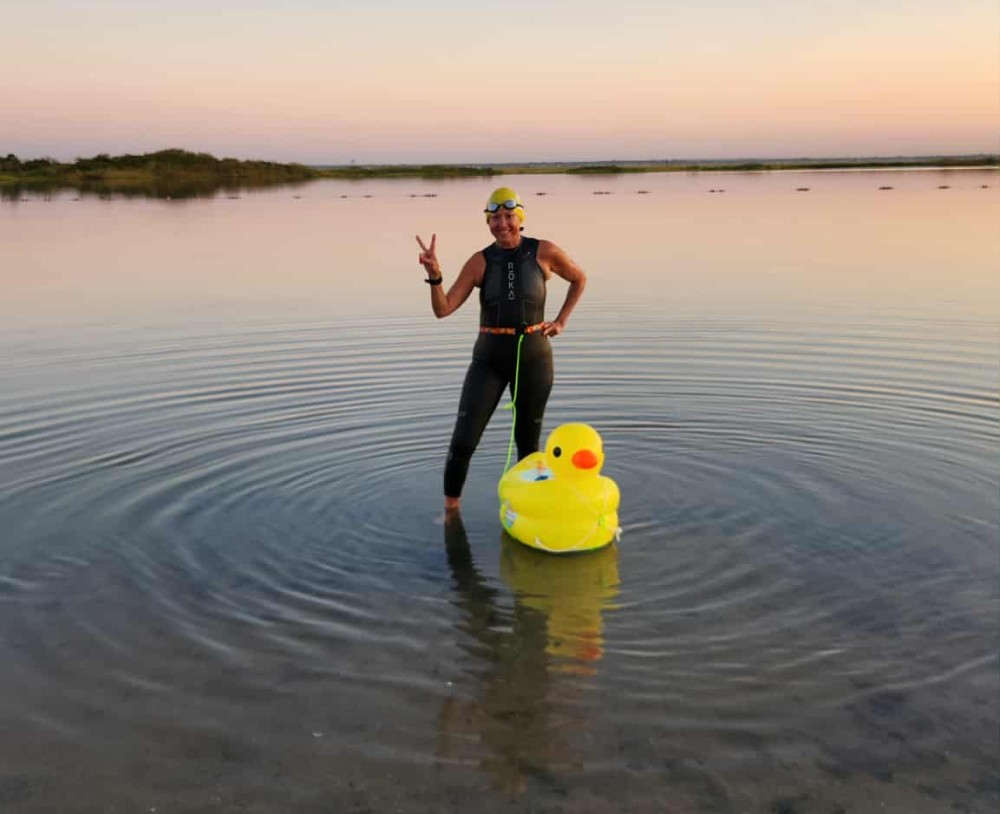
Hilary Topper with Star (the duck which also serves as a tow buoy) about to swim a mile at Tobay Beach on Long Island
4. Pace Yourself in Training and in Life
As a driven person, my first instinct was to go from zero to one hundred. My kids still laugh about it.
I hired a coach who didn’t work with athletes over 50. He designed an aggressive training plan and pushed me hard every day. (If I missed a workout, he would yell at me over the phone.) Within a few weeks, I was exhausted, sore, and completely demoralized. My body was sending me clear signals that I wasn’t listening to. Learning to pace myself was an important lesson in both physical training and my mental approach. Clearly, I left that coach and found another who was more supportive and understanding of my needs.
The key to longevity in endurance sports is consistency, not constant intensity. Your body needs time to adapt and recover, especially as you get older. Rest days are essential; they are a crucial part of your training plan. This is when your muscles repair and become stronger.
Listen to your body. If you feel pain (not just discomfort), it’s a sign to back off. If you’re feeling tired, a shorter, easier workout or even a complete rest day is more beneficial than pushing through and risking injury or burnout. This patient approach allows you to build a solid fitness base without breaking your body down. You’ll arrive at the starting line healthy, strong, and genuinely excited to race.
5. Celebrate Every Small Victory Along the Way
The finish line of a triathlon can seem impossibly far away when you’re just starting out. Focusing only on that distant goal can be discouraging. Instead, I learned to focus on celebrating the small wins that happen every week. Did you swim your first nonstop lap? That’s a big victory. Did you finish your longest bike ride so far, even if it was just a few miles? Celebrate it. Did you wake up for an early morning workout when you’d rather stay in bed? Recognize that discipline. These small wins are the foundation of your journey. Every milestone, no matter how small it appears, proves you’re making progress. It builds momentum and confidence. I started keeping a training journal to record these small wins. Looking back at it after a tough day became a powerful reminder of how far I had come. This habit of acknowledging progress changes the entire process from a strenuous grind into a fulfilling adventure filled with moments of pride.
Take the Leap
Starting triathlons after 50 was one of the most empowering decisions I’ve ever made. It challenged me physically and mentally, introduced me to a vibrant community, and gave me a newfound sense of capability. It taught me that age is just a number and that our limits are often self-imposed.
If you have even a tiny bit of curiosity about triathlons, I encourage you to explore them.Start small, be kind to yourself, and enjoy the process. You don’t have to be the fastest or the fittest. You have to be willing to try. Take that first step, whether it’s looking up a local pool, taking your bike for a spin, or just going for a walk. You might discover thatyou are capable of far more than you ever imagined.
My new book, Unlocking the Triathlon: A Beginner’s Guide to Competing in a Triathlon, published by Meyer & Meyer Sports, talks about how to get started and everything you need to know about swimming, biking, and running. It also has a section on nutrition and supplements. In addition, there are training plans for both sprint and Olympic triathlons. Further, there’s a whole section on triathlons and seniors. You can pre-order it on Amazon or Barnes & Noble. It will be available at your local bookstores before Christmas, 2025.
Unlocking the Triathlon: A Beginner’s Guide to Competing in a Triathlon by Hilary JM Topper is now available for pre-order and will be released during the first week of November.
About the Author
Hilary JM Topper, MPA, is a USA Triathlon Coach Level 1, USMS Swim Coach Level 3, WOWSA Open Water Swim Coach, and RRCA Run Coach Level 1. She actively blogs on ATriathletesDiary.com and maintains a lifestyle blog at HilaryTopper.com. Her first book, From Couch Potato to Endurance Athlete – A Portrait of a Non-Athletic Triathlete, was published by Meyer & Meyer Sports in 2022
Her upcoming book, Unlocking the Triathlon: A Beginner’s Guide to Competing in a Triathlon, is now available for pre-order. The book will be released during the first week of November, during which she will tour various cities across the country promoting it. For questions or to invite Hilary for a presentation at your store, contact her via email at Hilary@hjmt.com or call 516-220-3110.
Post your questions for Hilary in the Comments below.
Comments: We’d love to hear about your experience. Join the conversation below. All comments are reviewed before they appear.
Reply notifications: Click the bell icon above Post Comment to be notified when someone replies to your comment.
Follow the discussion: Click Subscribe above the comment box and enter your email address to receive notifications whenever a new comment is added—even if you don’t leave a comment. After subscribing, check your email and click Confirm to activate notifications.
by Kurt Madden, Director of Coach Development, TriDot, and Senior Triathlete
Triathlons can be enjoyable yet grueling tests of endurance, combining swimming, biking, and running at varying distances. For senior athletes, understanding and utilizing heart rate zones is key to tailoring training effectively, maximizing both safety and performance. This article presents insights into heart rate training that will be especially beneficial for senior triathletes, guiding you through important practices for swimming, biking, and running.
Understanding Heart Rate Training
Heart rate training leverages the heart’s response to exercise, allowing athletes to gauge their intensity during different training sessions effectively. One of the primary advantages of this method is the personalized training plan it offers based on individual fitness levels rather than a one-size-fits-all approach. For senior athletes, this individualized focus is especially crucial, as fitness levels, recovery times, and health considerations will vary more significantly among older triathletes.
Determining Heart Rate Zones
Before diving into specific training practices, it’s essential to establish your heart rate zones. Most sports scientists identify five primary zones:
Zone 1: Very Light (50-60% of maximum heart rate)
Zone 2: Light (60-70% of maximum heart rate)
Zone 3: Moderate (70-80% of maximum heart rate)
Zone 4: Hard (80-90% of maximum heart rate)
Zone 5: Maximum (90-100% of maximum heart rate)
To find your maximum heart rate, you can use the formula: 220 minus your age. For example, a 65-year-old would have a maximum heart rate of about 155 bpm (220 – 65). For more accurate measurements, consider conducting a maximal exercise test or utilizing a field test under appropriate supervision.
TriDot, a sophisticated online training platform, conducts regular assessments—such as a 400-yard swim, a 20-minute bike ride to gauge power, and a 5K run—allowing you to determine average heart rates in various situations.
Environmental Factors
It’s important to understand that environmental conditions and fatigue can significantly influence heart rate responses. For instance, running in the heat of midday in Florida versus in the cool mornings of Colorado will produce different heart rate outcomes. This variance is another reason why an adaptable system like TriDot can be very beneficial. It can adjust your heart rate zones based on local conditions and your physical responses.
Swimming poses unique challenges for heart rate monitoring due to water buoyancy and evaporation cooling. Studies, like those published in the Journal of Sports Science & Medicine, highlight that swimming tends to require higher effort for lower heart rates, primarily because of breathing techniques and the need for adjustment to water resistance.
Key Practices for Heart Rate Training in Swimming
Warm-Up: Begin every swim with a dynamic warm-up. Gradually aim to elevate your heart rate into Zone 2 before you tackle your main sets.
Interval Training: Use interval training focusing on shorter high-intensity efforts. For instance, swim 100 meters at a strong pace to reach Zone 4, then recovery at Zone 2 for a designated period.
Monitor Recovery: Utilize the cooldown phase to observe how rapidly your heart rate returns to either Zone 1 or Zone 2. Faster recovery rates often indicate better cardiovascular fitness.
Breathing Patterns: Practice bilateral breathing (breathing alternately on both sides) to regulate exertion levels and maintain a more stable heart rate.
Heart Rate Training in Biking
Bicycle training can substantially improve endurance and performance for senior triathletes. An article from Bicycling Magazine illustrates that effective heart rate training allows cyclists to sustain higher intensities over longer periods while minimizing fatigue.
Key Practices for Heart Rate Training in Biking
Threshold Training: Identify your lactate threshold utilizing heart rate. Training below and above this threshold will enhance your body’s efficiency in handling lactic acid. Intense efforts typically reside in Zone 4 .
Long Rides in Zone 2: Integrate extended rides in Zone 2 to boost aerobic capacity; these slower-paced workouts will build endurance without overstressing the body.
Hill Workouts: Climbing steep grades can quickly elevate your heart rate. Engage in hill repeats where you push hard into Zone 4 during the ascent and allow yourself to recover in Zone 2 while descending.
Long Steady State Rides: Schedule long rides that maintain moderate heart rate zones to stress your cardiovascular system without risking injury.
Heart Rate Training in Running
Runner’s World emphasizes the advantages of heart rate training in running, highlighting that a well-maintained heart rate can optimize both speed and endurance—critical factors for success in triathlons.
Key Practices for Heart Rate Training in Running
Easy Runs in Zone 2: Establish a routine of easy runs that ideally stay within Zone 2. This pace supports aerobic capacity and allows for needed recovery while still contributing to your overall training volume.
Tempo Runs: Integrate tempo runs into your training that push your heart rate into Zone 3 or low Zone 4. For example, after an adequate warm-up, aim to sustain a hard effort in Zone 3 for about 20 minutes before cooling down. This practice develops your lactate threshold, improving your ability to maintain a faster pace over longer durations.
Interval Sessions: Incorporate short bursts of high intensity in your running regimen. An example is sprinting for one minute to reach Zone 4, followed by a recovery jog in Zone 2 for a couple of minutes. This oscillation between high and lower intensity will help improve both speed and cardiovascular efficiency.
Fartlek Training: Fartlek, which translates to “speed play” from Swedish, offers a fun way to improve heart rate training. By varying your pace and intensity throughout a run—like alternating between faster efforts in Zone 4 and moderate efforts in Zone 2 —you simulate race conditions, which can improve performance during competitions.
Putting It All Together
Combining heart rate training across swimming, biking, and running requires meticulous planning and execution. Here are practical tips for executing a heart rate training program that includes all three disciplines:
Consistent Monitoring
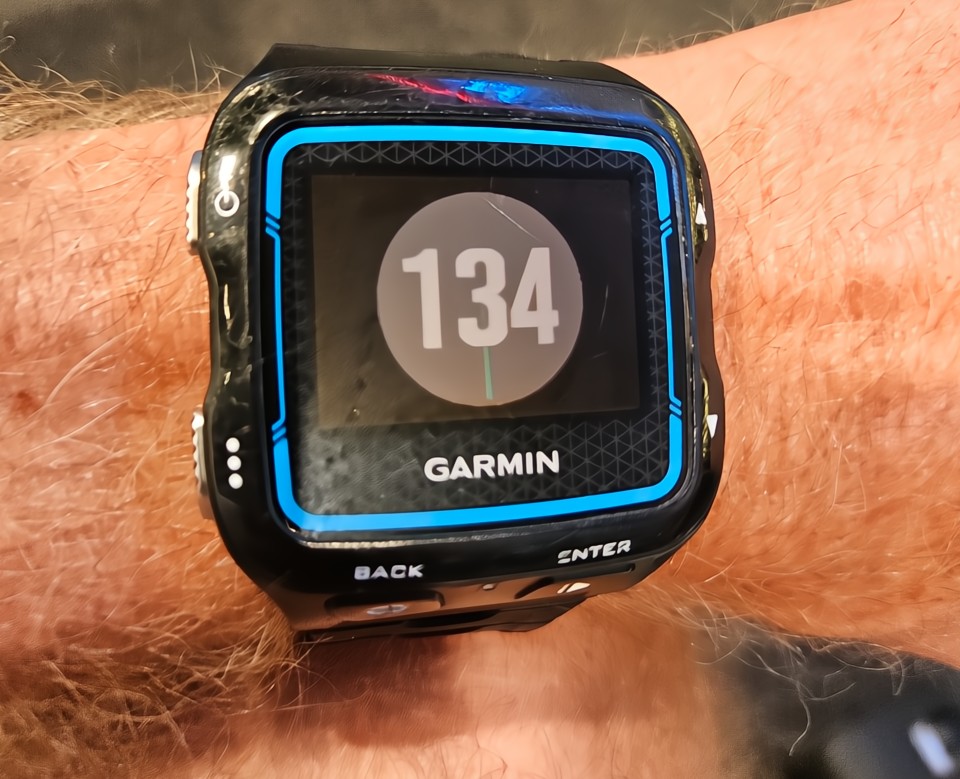
Utilize a heart rate monitor across all training sessions to maintain accuracy. Factors like hydration, nutrition, and fatigue can significantly impact heart rate responses, so being mindful of these elements is crucial.
Seasonal Planning
Structure your training year to include cyclic phases that focus on base training, building strength, peaking for events, and allowing for recovery. Early in the year, emphasize building your aerobic base in Zone 2, while later phases accommodate higher-intensity efforts in Zones 4-5.
Recovery Days
Plan for recovery sessions that land within Zones 1-2. These are essential for allowing the body to repair and strengthen, helping reduce fatigue and risk of injury.
Testing and Reassessing
Regularly reassess your fitness levels every few months through structured workouts, like time trials or clinical tests. This will assist in adjusting your heart rate zones based on improvements and changes in your fitness level.
Consider Individual Preferences
Everyone is unique. Pay attention to personal responses to heart rate training. Different athletes may thrive on varying styles of workouts (e.g., short intervals vs. longer sustained efforts).
Leveraging TriDot
TriDot provides an exceptional platform for senior triathletes. This innovative training technology optimizes training sessions based on effort, allows for precise recovery, and considers environmental factors to help reduce injury risks while maximizing performance potential.
Heart rate training emerges as an essential tool for senior triathletes aiming to enhance their performance across swimming, biking, and running. Applying these heart rate training principles can lead to improved endurance, faster recovery, and greater overall race results. By strategically employing heart rate zones in your training plan, senior athletes can personalize their approach, minimize injury risks, and achieve their triathlon objectives.
Remember, whether you’re tackling challenging workouts or focusing on recovery days, being aware of your heart rate is key to achieving triathlon success. With these insights and strategies under your belt, you are now ready to elevate your triathlon training experience and embrace the journey ahead with confidence and enthusiasm. Happy training, and let’s make every heartbeat count!
Have Questions for Our Coaches?
Post your questions about heart rate zones or comments about your experience using this approach for your training below.
Comments: We’d love to hear about your experience. Join the conversation below. All comments are reviewed before they appear.
Reply notifications: Click the bell icon above Post Comment to be notified when someone replies to your comment.
Follow the discussion: Click Subscribe above the comment box and enter your email address to receive notifications whenever a new comment is added—even if you don’t leave a comment. After subscribing, check your email and click Confirm to activate notifications.









Comments: We’d love to hear about your experience. Join the conversation below. All comments are reviewed before they appear.
Reply notifications: Click the bell icon above Post Comment to be notified when someone replies to your comment.
Follow the discussion: Click Subscribe above the comment box and enter your email address to receive notifications whenever a new comment is added—even if you don’t leave a comment. After subscribing, check your email and click Confirm to activate notifications.