Electrolytes: Vital for Hydration and Performance of Senior Triathletes
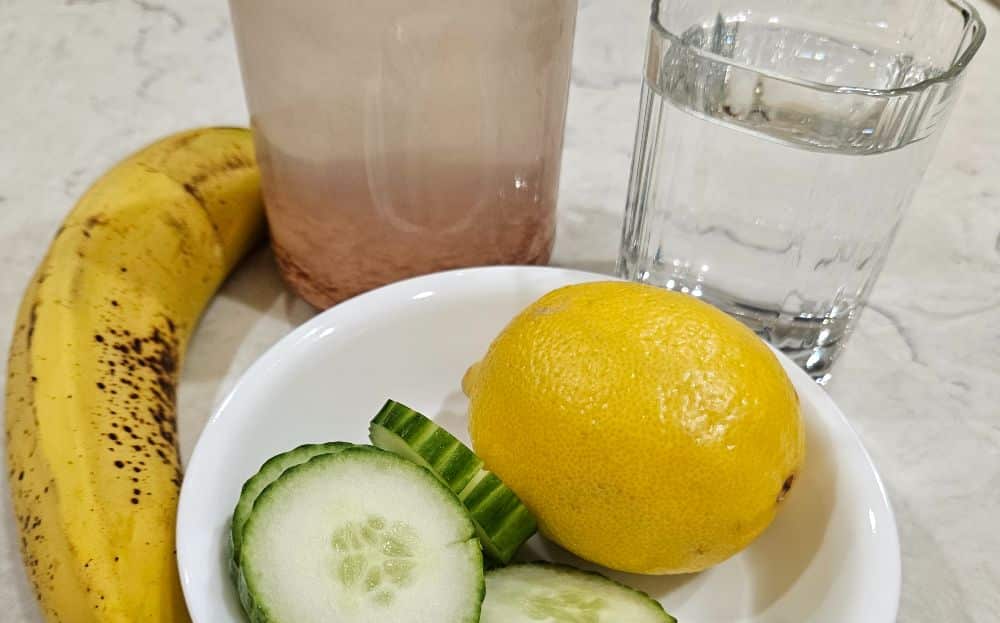
Electrolytes play a critical role in keeping senior endurance athletes hydrated. These elements and simple chemical compounds make sure the water we consume is available to support key bodily functions.

If you’re already training, this guide on how to improve triathlon performance after 50 will help you take the next step.

Hydration Is Vital To Triathlon Training and Racing

The Senior Triathletes post, What Masters Athletes Need To Know About Nutrition, includes the following statement:

Water is necessary for regulating body temperature, transporting nutrients throughout our bodies, lubricating joints, and other bodily processes. However, as we age, thirst becomes less reliable as an indicator of hydration level. With the less sensitive thirst response, we are more likely to become dehydrated and, therefore, need to pay more attention to staying hydrated.

Many of the senior triathletes whose experiences are described in Our Stories have provided firsthand evidence of the importance of hydration. Pat Hawks, for example, has seen the terrible consequences of becoming dehydrated in other triathletes. For this reason, she has become a stickler about staying hydrated, especially during hard exercise and races. To make sure she has adequate electrolytes, she often drinks coconut water because of its potassium content.

When Steve Stewart forgot to follow his hydration plan during IRONMAN Wisconsin 2021, he became dehydrated and eventually dropped out of the race. Laurent Labbe had a similar experience.

More recently, I learned that dehydration can be a trigger for the heart condition atrial fibrillation (Afib) and can lead to increased blood pressure.

Why Is Dehydration During Strenuous Exercise A Problem?

Each of our trillions of cells requires fluid to maintain their shape and to perform their function. Related to physical exercise accompanying triathlon and other multi-sport endurance training and racing, these functions include:

  • Cellular respiration involving breakdown of glucose to produce energy as adenosine triphosphate (ATP). This process produces carbon dioxide (CO2) as a waste product. Dehydration can, therefore, lead to reduced energy.
  • Protein metabolism in which amino acids are broken down, making them available for various bodily functions. This process produces nitrogen-containing waste, such as ammonia. The cells also convert ammonia into less toxic compounds which are eliminated by the kidneys after being removed from the cell.
  • Lipid metabolism breaks down fats (lipids) to produce energy. This process can generate waste products, such as ketones.
  • DNA and RNA turnover and repair. These processes have a unique set of waste products, some of which are recycled or converted to other molecules.
  • Cells are also responsible for neutralizing and eliminating toxins or certain foreign substances. There may be waste products within the cell from efforts to deal with the toxins.

As you can see, we have a lot going on within our bodies and it’s happening 24/7. But these processes can only occur properly if we have fed and hydrated our bodies correctly.

Did You Know You Can Become Dehydrated Even While Drinking Water?

Yes, you may become dehydrated at a cellular level even if you are drinking water. Cellular dehydration occurs when there is an imbalance between the water entering and leaving the cells. This leads to a decrease in the overall water content within the cells.

Even for a seemingly healthy person, an imbalance or loss of electrolytes will contribute to cellular dehydration, despite adequate water intake.

How Do Electrolytes Contribute to Cellular Hydration?

According to information in What Is Hydration on a Cellular Level and Why Is It Important?, electrolytes such as sodium, potassium, chloride, calcium, magnesium, phosphate, and bicarbonate play a vital role in maintaining the balance of fluids within and around cells.

“Taking in enough fluid is the first step to achieving cellular hydration. Your cell membranes are highly permeable to water (meaning they permit water to pass through them), and water follows osmotic gradients. Osmotic gradients are generated when the concentration of solutes, such as sodium, is higher on one side of the membrane than the other.

“In the context of your cells, this means if you don’t have enough water circulating through your body, water will be drawn from the inside of the cells due to increased osmotic pressure — causing those cells to shrink. When your body contains enough water, this lowers the concentration of solutes in your body fluids, which allows more water to move inside of the cells and restore their shape.”

Electrolytes, a subset of the broader category of solutes, are essential to hydration. These minerals carry an electric charge and help maintain various physiological functions in the body. If there is an imbalance in electrolytes, especially sodium, cellular dehydration occurs. For the endurance athlete, proper electrolyte balance is necessary for optimal muscle contractions, nerve function, and overall cellular function.

Why Senior Triathletes Need More Sodium Than Standard Guidelines Suggest

Sweating is the body’s natural mechanism for cooling during exercise. Sweating not only releases water but also essential electrolytes, including sodium, magnesium, potassium, and iodine. Drinking only water can dilute blood sodium levels.

A problem can arise from the fact that most public health salt recommendations are intended for sedentary adults—not active adults over 50 who train for triathlons. Therefore, restricting sodium can actually backfire senior triathletes. Losing significant quantities of electrolytes raises the risk of dehydration, muscle cramps, fatigue, dizziness, and exercise-associated hyponatremia.

Drinking only water can lead to us become functionally dehydrated during longer training sessions or races. Even mild dehydration leads to fatigue, reduced endurance, and impaired concentration as energy production wanes and waste products build up inside cells. The latter is believed to be one cause of muscle cramps.

Research cited in The Salt Fix shows athletes may lose 1,400–2,800 mg of sodium per hour depending on temperature and intensity. That means a single workout can exceed the daily recommended sodium intake.

For older athletes—who often sweat less efficiently and may have reduced thirst signals—getting the right balance of sodium and fluids becomes even more important.

Benefits of Adequate Sodium for Senior Triathletes

  • Better hydration and heat tolerance
  • Fewer muscle cramps and less fatigue
  • Improved power, stamina, and recovery
  • Lower risk of hyponatremia during endurance events

How To Stay Hydrated At A Cellular Level

Staying hydrated at a cellular level requires more than simply drinking water. It involves consistently supplying the body with both fluids and electrolytes so water can enter cells, support metabolism, and remove waste products.

Effective cellular hydration improves endurance, supports recovery, and reduces the risk of fatigue, cramps, and heat-related problems—especially for older athletes.

The following strategies help ensure hydration where it matters most: inside your cells.

Choose Electrolyte-Rich Foods

According to Put Down the Sugary Sports Drink—These 9 Foods Naturally Replenish Electrolytes, here are nine foods and drinks easy to find at the store AND natural sources of electrolytes.

  • Bananas
  • Greek yogurt
  • Spinach
  • Watermelon
  • Oats
  • Avocado
  • Lemon juice
  • Coconut water
  • Sea salt (see below for more about this)

Most fruits and vegetables are 80–95% water and also supply potassium, magnesium, and other minerals that support fluid balance. Including these foods regularly helps maintain baseline hydration outside of training sessions.
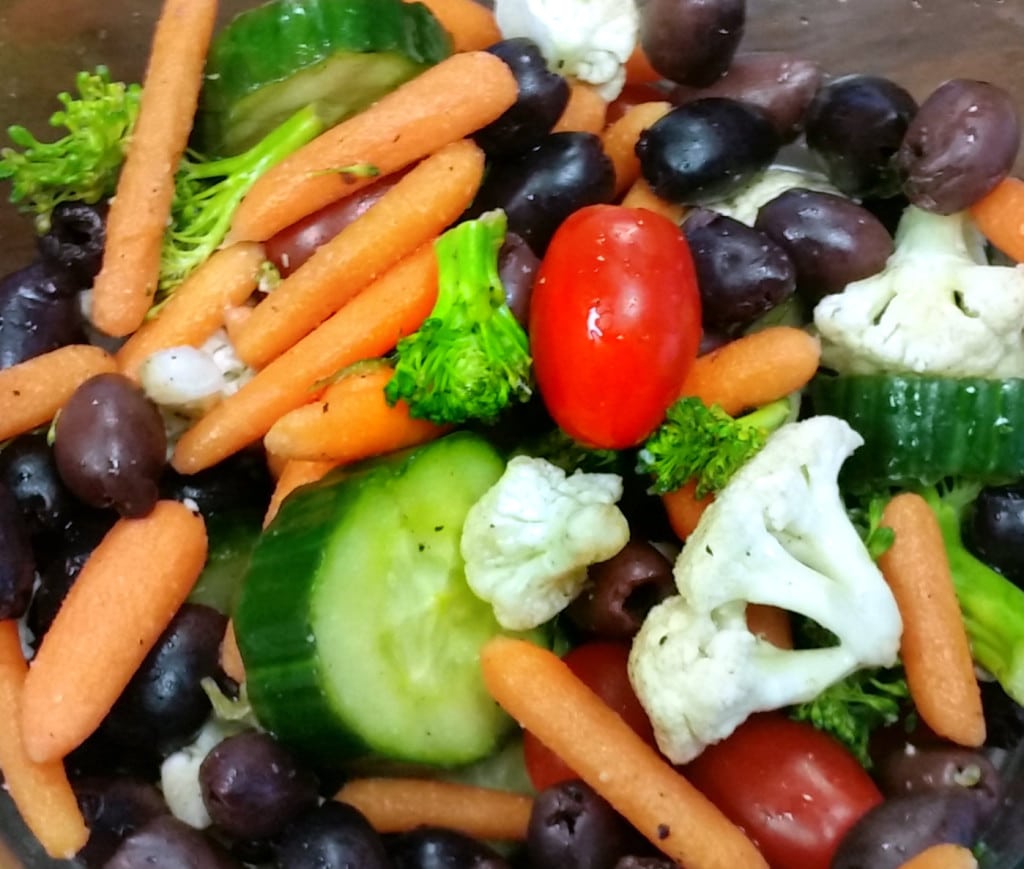
Fruits and vegetables are sources of water and electrolytes
Most fruits and vegetables contain 80% to 95% water. Many also provide much needed electrolytes.

Drink Water Throughout The Day

Water is necessary for regulating body temperature, transporting nutrients throughout our bodies, lubricating joints, and other bodily processes. However, as we age, thirst becomes less reliable as an indicator of hydration level. With the less sensitive thirst response, we are more likely to become dehydrated and, therefore, need to pay more attention to staying hydrated.

To help you set a daily goal, consider this calculator for daily water intake. Remember that coffee and tea, in moderation, are legitimate sources of water. So, are many foods.

According to What Masters Athletes Need To Know About Nutrition:

“It is helpful to remember that water can come in many forms. These include the obvious ones, including coffee, tea, milk, and soup. Water can also be consumed in fruits and vegetables. Registered nutritionist and chef Ian Harris points out that ‘vegetables such as celery, cucumber, iceberg lettuce, tomato and zucchini contain over ninety percent water’. In addition, ‘melons such as cantaloupe and watermelon have some of the highest water content, at more than 90 percent.’ Many other commonly available fruits contain over 80 percent water.”

Since it takes time for our body to absorb and distribute water we ingest, sipping water throughout the day is more effective than downing a day’s volume in one or two sittings.

Other liquids such as bouillon and pickle juice, are sources of electrolytes with water.

Add Salt To Your Water

During prolonged or intense exercise—especially in warm conditions—sweat loss can quickly deplete sodium. Replacing fluid without replacing sodium can impair hydration and increase the risk of fatigue or hyponatremia.

For endurance athletes who sweat heavily, adding salt to water is a simple and inexpensive way to support electrolyte balance. The author of The Salt Fix recommends Redmonds Real Salt, an ancient sea salt mined in the USA. This salt contains a broad profile of minerals in addition to sodium. These include calcium, magnesium, potassium, and iodine.

General sodium guidelines often used by endurance athletes include:

  • ~½ teaspoon salt (~1,150 mg sodium) about 30 minutes before exercise
  • ½–1 teaspoon salt per hour during long or hot training sessions

Individual needs vary widely based on sweat rate, sweat sodium concentration, temperature, and exercise duration. These strategies should be tested in training—not introduced for the first time on race day. Always consider personal medical history and consult a physician before making significant dietary changes.

Bottom line: For senior triathletes, sodium isn’t the enemy—it’s a performance and safety essential.

Use Electrolyte Beverages When Appropriate

Electrolyte powders, tablets, and sports drinks can be useful tools during long workouts or races. These products are designed to replace sodium and other electrolytes lost through sweat while also providing fluid.

Some products emphasize higher sodium content with minimal sugar, while others combine electrolytes with carbohydrates. The best choice depends on workout duration, intensity, fueling strategy, and gastrointestinal tolerance.

One commercial product my wife and I began using recently is supplied by LMNT. Each packet of powdered additive and can of sparkling water includes 1000 mg of sodium, 200 mg of potassium, and 60 mg of magnesium.

While they have an unflavored powder, LMNT products are available in several naturally flavored fruit, chocolate, and chocolate caramel flavors.

Regardless of the product, the goal remains the same: support fluid absorption and maintain electrolyte balance so hydration reaches the cellular level.

Pay Attention To Your Body

The main symptoms of dehydration are excessive thirst, dark urine, dizziness, and fatigue. Be sure to seek medical attention if these symptons persist.

Conclusions

Staying hydrated in the correct way, with water and electrolytes, gives our bodies the right fuel and ensures important systems continue working smoothly.

Whether we’re playing sports, running around, or just going about our day, water will help us feel good and stay healthy. However, we must also maintain the proper balance of electrolytes to be sure the water is getting into our cells, is being maintained at the proper level, and waste products generated within our cells are being removed.

Want to take the next step? Choose your path below.

Whether you’re just getting started or looking to improve, here are your next steps:

New to Triathlon?

Start with a step-by-step guide to triathlon after 50 designed specifically for older athletes.

Start Here →

Already Training?

Learn how to train smarter, recover better, and improve performance after 50.

Improve Performance →

Please Leave Your Questions and Comments Below

Comments: We’d love to hear about your experience. Join the conversation below. All comments are reviewed before they appear.

Reply notifications: Click the bell icon above Post Comment to be notified when someone replies to your comment.

Follow the discussion: Click Subscribe above the comment box and enter your email address to receive notifications whenever a new comment is added—even if you don’t leave a comment. After subscribing, check your email and click Confirm to activate notifications.

Disclaimer: Please note that SeniorTriathletes.com is a participant in the Amazon Services LLC Associates Program.  This is an affiliate advertising program that provides a way for sites to earn advertising fees.  They do this by advertising and linking to amazon.com. Amazon, the Amazon logo, AmazonSupply, and the AmazonSupply logo are trademarks of Amazon.com, Inc. or its affiliates.  As an affiliate, I will receive a small commission for any purchases of this product that you make through Amazon if you use the links in this post.

This post was originally published on December 12, 2023. This revision includes information from The Salt Fix about the need for additional sodium and the dangers of too little sodium, especially for older, endurance athletes.
How to Reduce VO2max Decline for Older Male and Female Triathletes

by Kurt Madden and Terry VanderWert

Introduction

“I’m 77 and have been doing tri since age 63. VO2max info that is specific would be helpful. Research suggests that one can’t really increase it as we age. Hanging onto what we’ve got seems to be the objective.”

That request from a reader is a smart and practical way to frame it. With aging, we rarely regain the VO2max of our youth, but smart training and lifestyle choices can significantly slow the decline. In fact, many masters athletes manage to maintain impressive aerobic capacity well into their 70s and beyond.

In this post, we will discuss (1) what VO2max is and how it typically changes, (2) the physiological causes of decline (with distinctions between men and women), and (3) evidence-based strategies to blunt that decline, tailored for women and for men. We close with a selection of research papers you can link to for deeper dives.

What Is VO2max?

VO2max (maximal oxygen uptake) is the maximum rate at which your body can take in, transport, and use oxygen during intense exercise. It’s a well-accepted benchmark of cardiorespiratory fitness and endurance potential, that is the product of the amount of blood the heart pumps and the amount of oxygen our muscles extract. This product is often normalized by body weight to yield values reported in the technical literature.

For those interested in the calculation, here is the definition in the form of an equation:

  • VO2max = (CO – (Ca – Cv))/W (units: mL·kg-1·min-1), where
    • CO = Cardiac Output typically measured in Liters per minute (L/min), which represents the volume of blood the heart pumps per minute.
    • Ca = Amount of oxygen (in milliliters of oxygen per 100 milliliters of blood) in arterial blood
    • Cv = Amount of oxygen (in milliliters of oxygen per 100 milliliters of blood) in venous blood
      • NOTE: The value of Ca – Cv is the amount of oxygen removed from the blood as it passes through the muscles and internal organs.
    • W = Weight of the individual in kilograms (kg)

Measuring VO2max

There are two primary ways to measure VO2​max: the highly accurate, but more involved, Gold Standard, and the accessible, real-world field tests.

The Gold Standard is a VO2​max lab test performed in a clinical setting under the supervision of medical or exercise professionals. It involves running on a treadmill or cycling on a stationary bike while wearing a tight-fitting mask that directly analyzes the oxygen you breathe in versus what you breathe out (indirect calorimetry). This method provides the most accurate number, making it the preferred choice for elite athletes, clinical diagnostics, and precise exercise prescription. However, it requires specialized, expensive equipment, is time-consuming, and demands exercising to exhaustion, which isn’t suitable for everyone.

A more accessible approach for determining VO2​max for active older athletes involves a 1.5-Mile Run Test (also known as the Cooper test, developed by Dr. Kenneth Cooper). With this test, the athlete plugs their time to run 1.5 miles into a scientifically validated equation.

While not as precise as the lab test, this field test is easy to administer, requires minimal equipment, and provides a repeatable benchmark for tracking fitness improvement over time. Other field tests to estimate VO2​max, including a walking test, may be more appropriate for those just beginning to train for triathlon or other multisport endurance events.

How VO2max Changes With Age and Sex

The reader’s comment at the beginning of this post suggested a tendency for VO2max to decline with age, which is generally the case.

General Decline With Age

As we get older, our VO2max gradually decreases. For adults who are mostly sedentary, this drop averages about 10 percent per decade after the age of 25 or 30, or roughly 1 percent per year.

Studies that have tracked men and women over many years show a fairly wide range in how much VO2max declines. On average, men lose about 0.4 to 0.5 milliliters of oxygen per minute per kilogram of body weight each year, while women tend to lose around 0.2 to 0.35. These numbers can vary depending on how active a person remains and how VO2​max is determined.

Research from long-term projects such as the Baltimore Longitudinal Study shows that the decline becomes more noticeable later in life, especially after age 70. People who stay active experience much smaller drops than those who become less active. In fact, well-trained older athletes often see only about half the decline of sedentary adults—about 5 percent per decade instead of 10 percent.

It’s also important to note that the decline is not perfectly linear. It often accelerates when training volume or intensity decreases or when health conditions limit activity. Additionally, studies that compare younger and older people at one point in time (called cross-sectional studies) usually underestimate the true rate of decline seen in long-term (called longitudinal) studies that follow the same individuals over decades.

Overall, while the average adult can expect a 5–10 percent drop in VO2max per decade, consistent exercise—especially aerobic and strength training—can greatly slow this decline and help maintain a higher level of fitness into the later decades of life.

Typical VO2max normalized by weight is both higher for active individuals and declines by half the rate compared to those who have been sedentary throughout their lifetime.

Differences in Decline Between Men and Women

At any given age, women’s VO2max values are typically about 15–30 percent lower than men’s. This is believed to be a result of men’s larger hearts, greater blood volume, and higher hemoglobin levels. However, as both men and women age, the pattern of change in their VO2max declines differs slightly. As pictured in the chart below, some research shows that men may experience a steeper decline than women. Because of this, the gap between men’s and women’s VO2max values often narrow in the later decades of life. (The lower decline by age decade for women closes the gap between the initially higher values for men.)

The decline in VO2max continues, and generally increases, with age for both men and women. However, changes are greater for men than women. Source: Fleg, J. et al, “Accelerated Longitudinal Decline of Aerobic Capacity in Healthy Older Adults.” Circulation. 112. 674-82. 10.1161/CIRCULATIONAHA.105.545459.

Causes for VO2max Decline With Age?

The gradual decline in VO2max that comes with aging results from several physiological changes affecting both how much oxygen the heart and lungs can deliver and how efficiently the muscles can use it. These changes happen in everyone, but the reasons and patterns differ slightly between men and women.

Central (Heart and Circulatory) Factors

One major reason VO2max decreases with age is that the cardiovascular system becomes less efficient at pumping and distributing oxygen-rich blood. The maximum heart rate—the fastest your heart can beat—drops by about five to ten beats per decade. This limits the overall cardiac output, or the total volume of blood the heart can deliver per minute.

As the heart and blood vessels age, they also become less elastic. The heart’s ability to fill and contract strongly during intense exercise declines, and arteries become stiffer, which reduces blood flow. Even in highly trained athletes, these central changes gradually lower the body’s ability to move oxygen from the lungs to the working muscles.

Peripheral (Muscular and Metabolic) Factors

At the same time, changes occur in the muscles themselves. With age, most people lose muscle tissue, a process known as sarcopenia. This reduces the amount of “machinery” available to use oxygen during exercise.

Mitochondria—the energy-producing parts of cells—also decrease in number and efficiency, meaning muscles can’t generate energy as effectively as before. Capillary density within the muscles tends to decline, so less oxygen is delivered to each fiber. Fat tissue can infiltrate muscles, reducing their quality and function.

Together, these changes make the muscles less capable of extracting and using oxygen even when it is available.

Differences Between Men and Women

As people age, both men and women experience a decrease in VO2max, but the main reasons for this decline tend to differ between the sexes. For men, the drop in VO2max is mostly tied to the heart’s reduced ability to pump blood and deliver oxygen throughout the body. Men typically start with higher VO2max values because they have larger hearts, more blood volume, and higher hemoglobin levels to help carry oxygen. As they age, these heart and blood-related factors tend to diminish the most, leading to a greater absolute loss in VO2max.

Women, on the other hand, are more affected by changes in their muscles as they age. The loss of muscle mass, as well as the muscles’ ability to extract and use oxygen, plays a bigger role in their declining VO2max. After menopause, hormonal shifts—like a drop in estrogen and testosterone—cause blood vessels to become less flexible and make it harder for the body to grow new capillaries. This limits oxygen delivery to muscles and speeds up muscle loss and the drop in mitochondrial function, which means muscles become less efficient at using oxygen.

Even though women’s VO2max values are generally lower than men’s, most of this difference can be explained by differences in body composition, especially muscle mass. When VO2max is adjusted for the amount of lean muscle—especially in the legs—the gap between men and women narrows a lot. In fact, by late life, the difference between men’s and women’s VO2max becomes smaller, partly because men’s cardiac output declines more steeply, while muscle-related changes dominate in women.

The Bottom Line

In summary, men are more likely to see VO2max fall due to heart and blood changes, while for women, the main causes are loss of muscle and reduced muscle quality combined with hormonal changes. Despite these differences, staying active with endurance and strength training is key for both sexes to slow down these age-related declines and minimize the VO2max gap.

Next, we’ll show how we can use this knowledge to tailor training for the older male and female triathletes.

Strategies to Slow the Decline in VO2max

As we have just stated, the decline in VO2max that comes with age is real—but it’s far from inevitable. Research shows that the rate of decline can be cut nearly in half through consistent training and healthy lifestyle choices. Even into the 70s and 80s, both men and women can improve or maintain much of their aerobic capacity.

Below are the most effective, science-supported strategies for preserving VO2max, followed by specific guidance for men and women.

Universal Strategies for Men and Women

1. Keep Moving—Consistency Is Everything

The single most important factor in slowing VO2max decline is maintaining regular aerobic activity. People who stop training often lose VO2max rapidly, but those who continue—even at lower intensity—keep much more of their capacity. Activities such as swimming, cycling, brisk walking, and running all count. The key is to stay consistent year-round.

2. Include a Mix of Intensities

Research shows that a blend of steady, moderate workouts and occasional higher-intensity intervals provides the best results. Intervals—short bouts of harder effort followed by recovery—stimulate the heart, lungs, and muscles in ways steady exercise alone cannot. Even one or two short interval sessions per week can help preserve aerobic power.

3. Maintain Mobility, Stablity, and Muscle Strength

Because muscle loss contributes directly to lower VO2max, strength training is essential. Two or three sessions per week that focus on major muscle groups—especially the legs, hips, and core—can preserve muscle quality and improve endurance performance. Bodyweight, resistance bands, light weights, and yoga all work if used consistently and progressively.

Additionally, it is imperative to start with mobility and stability exercises prior to adding additional load or weight to ensure you have a solid framework.

Related post: My Experience with Mark Allen’s Strength Training for Triathletes

4. Allow for Recovery and Adaptation

Older athletes need more recovery time between demanding workouts. Adequate rest, good sleep, and attention to early signs of overtraining help prevent setbacks. Think of recovery as part of training, not as time off.

Furthermore, easy walking sessions can be viewed as active recovery, as compared to passive recovery, and can be a big bonus.

5. Fuel and Hydrate Well

Adequate protein intake (around 1.2–1.6 grams per kilogram of body weight per day) supports muscle repair and growth. Staying hydrated and consuming enough calories also help the cardiovascular system function effectively. Proper nutrition ensures that the body has the raw materials it needs to adapt positively to exercise.

Related post: What Masters Athletes Need To Know About Nutrition

6. Track and Adjust

Periodic testing—whether through a lab VO2max test, a fitness tracker estimate, or even time trials—can show how your fitness is changing. Monitoring helps you adjust training volume or intensity before a small dip turns into a long-term loss. Testing on a monthly or quarterly basis should be of great benefit.

Strategies Specifically for Men

For men, the primary goal is to maintain cardiac strength and blood delivery.

  • Continue doing moderate-to-vigorous aerobic training several days each week.
  • Include intervals or tempo workouts that elevate heart rate and stimulate stroke volume.
  • Combine aerobic training with strength training to preserve lean muscle and testosterone levels, both of which support oxygen transport.
  • Ensure adequate protein and nutrient intake to support muscle repair and maintain energy levels.
  • Monitor recovery carefully—higher intensity brings benefits, but only when balanced with sufficient rest.

Strategies Specifically for Women

For women, the focus should include maintaining muscle quality and supporting hormonal balance.

  • Pair regular aerobic training with frequent resistance work to prevent muscle loss and keep mitochondria active.
  • Because estrogen decline affects vascular flexibility and oxygen delivery, aim for a variety of activities—cycling, swimming, walking, and yoga all help circulation and recovery.
  • Ensure adequate protein and nutrient intake to support muscle repair and maintain energy levels.
  • Short, higher-effort intervals can still produce significant gains, even in the late 70s, as shown in research on postmenopausal women.

Balance and Enjoyment for the Long Haul

Finally, it’s important to remember that longevity in training depends on enjoyment and sustainability. Triathlon offers a perfect balance of swimming, cycling, and running—three activities that spread out the physical stress and keep workouts interesting. Mixing in rest days, flexibility sessions, and easy social rides or swims makes it easier to stay active for the long haul.

The Bottom Line

Regular aerobic exercise, combined with strength work including mobility and stability work, recovery, and good nutrition, can dramatically slow the decline in VO₂max that comes with aging. For both men and women, the goal isn’t to stop the clock—it’s to stay strong, mobile, and capable for as long as possible. Consistency and a balanced approach are what make that possible.

The encouraging news is that both sets of changes can be slowed significantly through consistent endurance and resistance training. By challenging the cardiovascular system and maintaining strong, active muscles, older athletes—men and women alike—can keep their VO2max far higher than what would be expected for their age.

Suggested Training Week for a 75–80-Year-Old Triathlete (Example)

Below is a sample training week that incorporates the above elements for female and male triathletes.

The structure and volume are similar, but the emphasis shifts slightly—men focus more on maintaining cardiac output and higher-intensity aerobic capacity, while women place more emphasis on preserving muscle mass, vascular flexibility, and recovery.

Remember to tailor session durations, intensity, and volume according to your fitness, injury history, and recovery capacity.

Typical Week for a 75–80-Year-Old Female Triathlete
DayEmphasisSample Session
1
Swim + Technique / Aerobic30–40 minutes focusing on stroke efficiency, balance, and controlled breathing. Include short aerobic efforts.
2
Bike / Steady Endurance60 minutes steady aerobic pace (70–80% HR) to build capillary density and endurance; maintain comfort and posture.
3
Strength & Core (Muscle Maintenance45 minutes focusing on major muscle groups (legs, glutes, hips, core). Include light resistance work and balance drills to counter muscle loss.
4
Run / Walk or Aqua Jog30 minutes easy to moderate effort, emphasizing soft surfaces and form. Use aqua jogging if joint discomfort occurs.
5
Recovery + Flexibility30 minutes of gentle swim, yoga, or Pilates. Focus on mobility, joint health, and blood flow.
6
Brick (Bike + walk/Run)40–45-minute ride followed by 10–12-minute easy walk-run. Prioritize smooth transitions and low-impact endurance.
7
Rest / Active RecoveryEasy walk or stretching; optional light strength maintenance or balance work.
Typical Week for a 75–80-Year-Old Male Triathlete
DayEmphasisSample Session
1
Swim + Aerobic Technique35–45 minutes focusing on steady aerobic pace and breathing control; moderate drills for efficiency.
2
Bike / Endurance + Intervals60 minutes including 4 × 4-minute intervals at 85–90% HR or power; recovery between intervals. Focus on maintaining cardiac output.
3
Strength & Core45 minutes of full-body strength (legs, hips, upper body, core). Include resistance bands or light weights to sustain power output.
4
Run / Walk Intervals 30–35 minutes alternating run and walk segments; aim for moderate effort. Focus on leg turnover and aerobic rhythm.
5
Swim / Recovery30 minutes easy swimming or aqua jogging. Light drills and stretching to aid recovery.
6
Brick (Bike + Run)45-minute ride + 10–15-minute easy run or walk-run. Moderate intensity to simulate race conditions.
7
Rest / Active RecoveryGentle walk, light yoga, stretching, foam rolling. Emphasize mobility and flexibility.

Notes / adjustments:

  • On higher-intensity days (Day 2, Day 6), ensure preceding and following days have lighter loads or recovery.
  • Rotate in weeks with reduced volume or “recovery weeks” every 3–4 weeks.
  • Monitor fatigue, sleep, soreness, heart-rate variability, and adjust training intensity accordingly.

Using the TriDot Training Platform

To take the guesswork out of your training sessions and receive an optimized and personalized training program for a 75 – 80-year-old triathlete, you might want to utilize TriDot which can add benefits such as:

  • Personalized training adjusted for age, fitness, and recovery.
  • Focus on the “right training” rather than simply more training.
  • Continuous adjustments and feedback to reduce injuries and overtraining include mobility, stability, and strength training.
  • Environmental normalization and training stress are quantified.
  • Support, community, and structure.
  • Race-preparation tailored for multiple levels and multiple distances.
  • Choose from several subscription levels that will meet your needs.

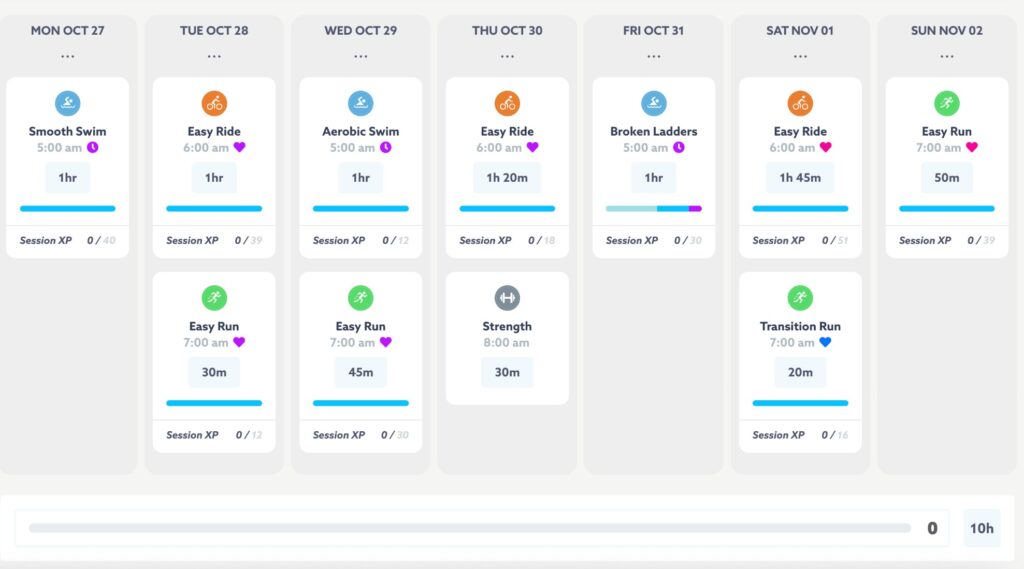
Following is a sample of a week of training from TriDot for Gene Peters, an 81-year-old triathlete. Gene won his age group at the recent Ironman California event on October 20, 2025. The plan shown emphasizes a large amount of recovery.

Sample training schedule using the TriDot training platform for an experienced 81-year-old male triathlete. This schedule follows completion of an Ironman 140.6 triathlon.

Feel free to use Kurt’s sign-up link (https://app.tridot.com/onboard/sign-up/kurtmadden), which includes three free consulting sessions.

Key Takeaways & Practical Tips

Men and women start with different physiological baselines, but consistent endurance and strength training benefit both sexes. Staying active not only slows the decline in VO2max but also helps minimize the differences between men and women as they age. In summary, here are the main lessons from research:

  • Decline in VO2max with age is inevitable—but modifiable. How much you lose depends heavily on what you do, not just what your genes say.
  • Consistent, lifelong training is the most powerful “anti-aging” tool for VO2max preservation.
  • Men and women share most mechanisms of decline, but women face additional challenges from hormonal shifts, muscle quality, and metabolic changes.
  • Tailor training smartly: use interval work, strength training, proper recovery, and nutrition to maximize your retained capacity.
  • Small gains are possible, even at advanced age, especially if training is consistent, targeted, and adaptive.
  • Remain adaptable — listen to your body, monitor trends, and don’t be afraid to back off temporarily if signs of overreaching appear.

For Further Investigation

Want to look at the research more closely? Here are the top ten research papers and related reports we identified while preparing this post.

Questions – Comments

Have you been tracking your VO2​max? Either way, how will you use this information? Share your questions and thoughts in the Comments below.

Comments: We’d love to hear about your experience. Join the conversation below. All comments are reviewed before they appear.

Reply notifications: Click the bell icon above Post Comment to be notified when someone replies to your comment.

Follow the discussion: Click Subscribe above the comment box and enter your email address to receive notifications whenever a new comment is added—even if you don’t leave a comment. After subscribing, check your email and click Confirm to activate notifications.

Five Things I Learned Starting Triathlons After 50

By Hilary JM Topper, MPA

Deciding to train for a triathlon felt like a mix of excitement and madness. I was 53, more used to my office chair than a bike saddle, and the idea of swimming, biking, and running in one event seemed like something only for elite athletes in their twenties. Still, a spark of curiosity was ignited. I wanted a new challenge, a way to redefine what I thought was possible for myself in this new chapter of life. That journey from hesitant beginner to confident finisher taught me more than I ever expected.

The world of triathlon might seem intimidating at first, filled with images of super-fit athletes and advanced equipment. But I found a different reality—one that is welcoming, doable, and deeply rewarding, especially for those of us who start later in life. If you’re in the same place I was, wondering if you have what it takes, I want to share the five most important lessons I learned. These insights helped me reach the finish line and can help
you start your own amazing journey.

1. Triathlons Are for Every Body Type

Before I signed up for my first race, I imagined a typical triathlete as someone lean, muscular, and probably half my age. I worried I was too old, not in good enough shape, and didn’t fit that mold. This is the biggest myth I want to bust. Triathlons are open to everyone, no matter your age, weight, or current fitness level.

At my first event, I was amazed by the variety of participants. There were people of all shapes and sizes, from college students to retirees in their 70s and 80s. I saw competitors who were muscular and others who were slender. Some looked like seasoned athletes, while many, like me, appeared to be regular folks who decided to do something extraordinary. The finish line doesn’t care about your age or body type; it only cares that you showed up and did your best.

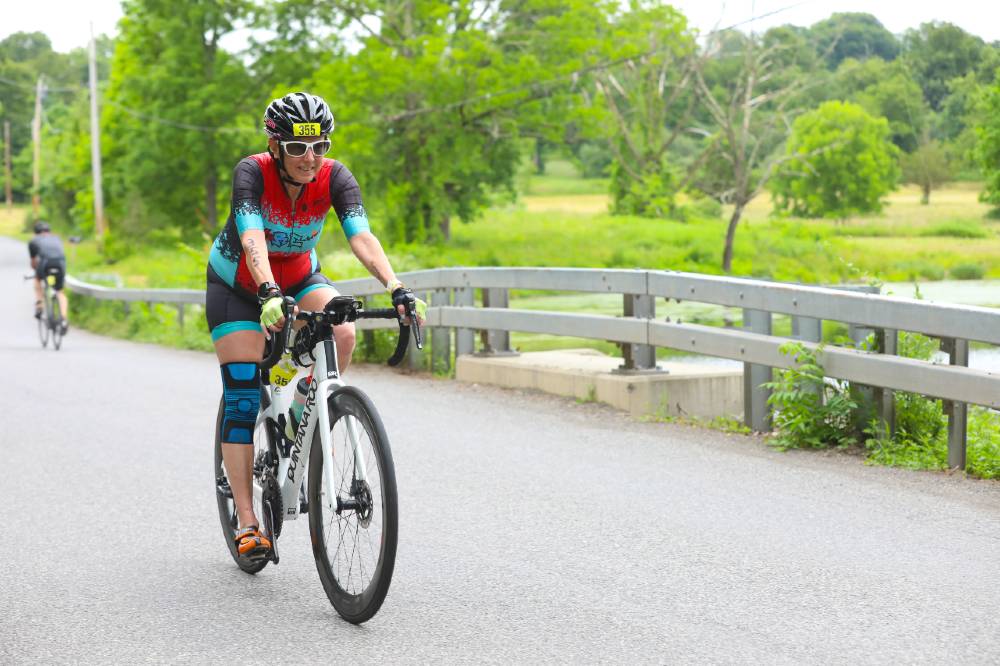
This past June, I participated in the Alpha Win Hudson Valley Triathlon. I saw an 85-year-old woman cross the finish line and receive a first-place medal. The triathlon community adopts a “finish line, not finish time” mindset, especially at the sprint and beginner levels. The focus is on participation and personal achievement. Whether you walk the entire run or swim with your head above water, completing the race is a major victory. The shared experience of pushing personal limits creates an instant bond among competitors. You’ll receive more encouragement and high-fives from strangers on the course than you might expect.

Related Post: Should You Choose Your Triathlon Distance Based On Body Type?

2. You Don’t Need All the Expensive Gear

When I committed to my first triathlon, I fell into a classic beginner’s trap: thinking I needed the best of everything to succeed. I went all in, buying a sleek, expensive carbon-fiber road bike with a power meter, a top-tier wetsuit, and every gadget the internet and my first coach told me was essential. I learned the hard way that my bank account took a much bigger hit than it needed. That fancy bike was beautiful, but it was also tough for a beginner. I spent more time worrying about scratching it than enjoying my rides. The truth is, you can complete your first triathlon using the basics. Found an old hybrid bike in your garage? Dust it off, get it tuned up, and it’ll get you through a sprint-distance race just fine. Any comfortable swimsuit will do for the pool, and a basic pair of goggles is all you need.

Start with what you have or can borrow. Focus your initial investment on a few key items that prioritize safety and comfort, such as a properly fitted helmet and a good pair of running shoes. As you progress in the sport, you can gradually upgrade your equipment. You will have a much clearer idea of what you truly need and prefer after you have a race or two under your belt. Don’t let the perceived cost of entry keep you from starting.

3. Find Your Tribe: The Power of Community

Training for a triathlon involves three different sports and doing it all alone can feel isolating and overwhelming. The most effective way I stayed motivated was by connecting with others. Finding a community, whether it’s a local tri club, a group of friends, or an online forum, can make all the difference. At first, I trained with my friend. But when she joined a triathlon club, I ended up going at it alone. Throughout my time in the sport, I found training partners and formed my own triathlon club, WeREndurance.

This “tribe” becomes your support system. They are the ones who will celebrate your progress, pick you up after a challenging workout, and cheer the loudest for you on race day. They understand the unique challenges and triumphs of this sport. If a local club isn’t an option, look for Facebook groups or other online communities. Sharing your journey, even virtually, helps keep you accountable and reminds you that you are part of
something bigger.

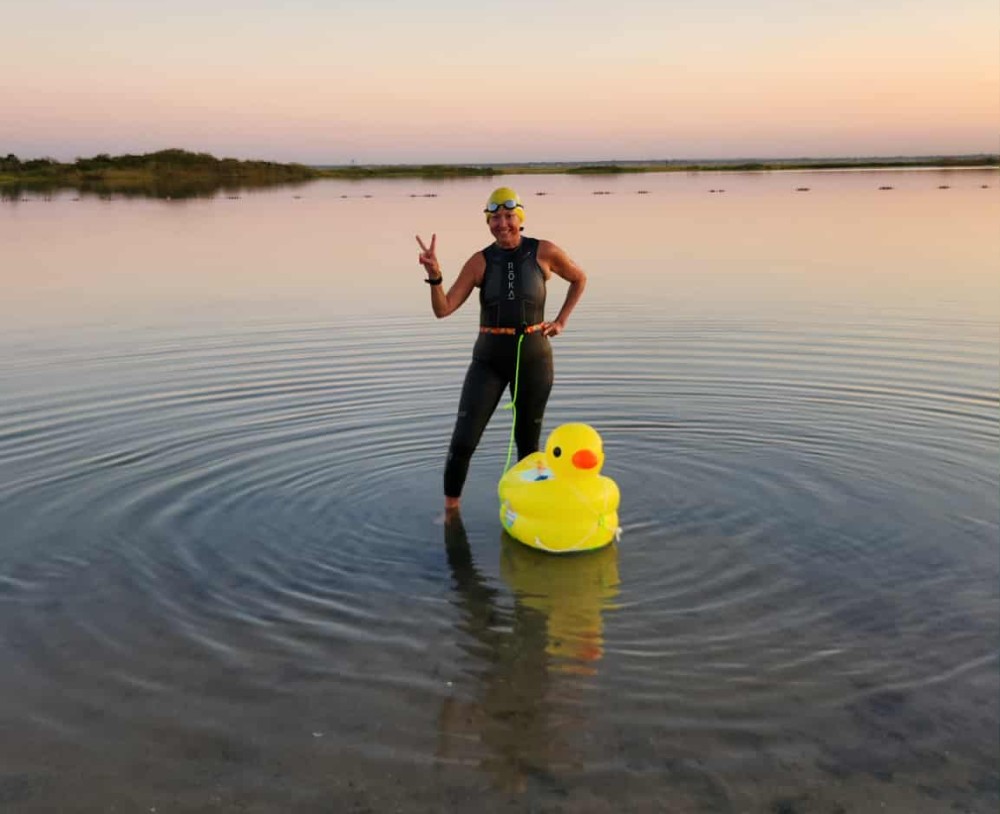
Hilary Topper with Star (the duck which also serves as a tow buoy) about to swim a mile at Tobay Beach on Long Island

4. Pace Yourself in Training and in Life

As a driven person, my first instinct was to go from zero to one hundred. My kids still laugh about it.

I hired a coach who didn’t work with athletes over 50. He designed an aggressive training plan and pushed me hard every day. (If I missed a workout, he would yell at me over the phone.) Within a few weeks, I was exhausted, sore, and completely demoralized. My body was sending me clear signals that I wasn’t listening to. Learning to pace myself was an important lesson in both physical training and my mental approach. Clearly, I left that coach and found another who was more supportive and understanding of my needs.

The key to longevity in endurance sports is consistency, not constant intensity. Your body needs time to adapt and recover, especially as you get older. Rest days are essential; they are a crucial part of your training plan. This is when your muscles repair and become stronger.

Listen to your body. If you feel pain (not just discomfort), it’s a sign to back off. If you’re feeling tired, a shorter, easier workout or even a complete rest day is more beneficial than pushing through and risking injury or burnout. This patient approach allows you to build a solid fitness base without breaking your body down. You’ll arrive at the starting line healthy, strong, and genuinely excited to race.

5. Celebrate Every Small Victory Along the Way

The finish line of a triathlon can seem impossibly far away when you’re just starting out. Focusing only on that distant goal can be discouraging. Instead, I learned to focus on celebrating the small wins that happen every week. Did you swim your first nonstop lap? That’s a big victory. Did you finish your longest bike ride so far, even if it was just a few miles? Celebrate it. Did you wake up for an early morning workout when you’d rather stay in bed? Recognize that discipline. These small wins are the foundation of your journey. Every milestone, no matter how small it appears, proves you’re making progress. It builds momentum and confidence. I started keeping a training journal to record these small wins. Looking back at it after a tough day became a powerful reminder of how far I had come. This habit of acknowledging progress changes the entire process from a strenuous grind into a fulfilling adventure filled with moments of pride.

Take the Leap

Starting triathlons after 50 was one of the most empowering decisions I’ve ever made. It challenged me physically and mentally, introduced me to a vibrant community, and gave me a newfound sense of capability. It taught me that age is just a number and that our limits are often self-imposed.

If you have even a tiny bit of curiosity about triathlons, I encourage you to explore them.Start small, be kind to yourself, and enjoy the process. You don’t have to be the fastest or the fittest. You have to be willing to try. Take that first step, whether it’s looking up a local pool, taking your bike for a spin, or just going for a walk. You might discover thatyou are capable of far more than you ever imagined.

My new book, Unlocking the Triathlon: A Beginner’s Guide to Competing in a Triathlon, published by Meyer & Meyer Sports, talks about how to get started and everything you need to know about swimming, biking, and running. It also has a section on nutrition and supplements. In addition, there are training plans for both sprint and Olympic triathlons. Further, there’s a whole section on triathlons and seniors. You can pre-order it
on Amazon or Barnes & Noble. It will be available at your local bookstores before Christmas, 2025.

cover of Hilary Topper's new book
Unlocking the Triathlon: A Beginner’s Guide to Competing in a Triathlon by Hilary JM Topper is now available for pre-order and will be released during the first week of November.

About the Author

Hilary JM Topper, MPA, is a USA Triathlon Coach Level 1, USMS Swim Coach Level 3, WOWSA Open Water Swim Coach, and RRCA Run Coach Level 1. She actively blogs on ATriathletesDiary.com and maintains a lifestyle blog at HilaryTopper.com. Her first book, From Couch Potato to Endurance Athlete – A Portrait of a Non-Athletic Triathlete, was published by Meyer & Meyer Sports in 2022

Her upcoming book, Unlocking the Triathlon: A Beginner’s Guide to Competing in a Triathlon, is now available for pre-order. The book will be released during the first week of November, during which she will tour various cities across the country promoting it. For questions or to invite Hilary for a presentation at your store, contact her via email at Hilary@hjmt.com or call 516-220-3110.

Related Post: Book Review: From Couch Potato to Endurance Athlete: A Portrait of a Non-Athletic Triathlete

What Do You Want to Ask Hilary?

Post your questions for Hilary in the Comments below.

Comments: We’d love to hear about your experience. Join the conversation below. All comments are reviewed before they appear.

Reply notifications: Click the bell icon above Post Comment to be notified when someone replies to your comment.

Follow the discussion: Click Subscribe above the comment box and enter your email address to receive notifications whenever a new comment is added—even if you don’t leave a comment. After subscribing, check your email and click Confirm to activate notifications.

For Another Perspective . . .

For another perspective on beginning triathlon after age 50, check out Terry VanderWert’s Triathlon Adventures Across America.

Heart Rate Training for Senior Triathletes: How to Optimize Performance

by Kurt Madden, Director of Coach Development, TriDot, and Senior Triathlete

Triathlons can be enjoyable yet grueling tests of endurance, combining swimming, biking, and running at varying distances. For senior athletes, understanding and utilizing heart rate zones is key to tailoring training effectively, maximizing both safety and performance. This article presents insights into heart rate training that will be especially beneficial for senior triathletes, guiding you through important practices for swimming, biking, and running.

Understanding Heart Rate Training

Heart rate training leverages the heart’s response to exercise, allowing athletes to gauge their intensity during different training sessions effectively. One of the primary advantages of this method is the personalized training plan it offers based on individual fitness levels rather than a one-size-fits-all approach. For senior athletes, this individualized focus is especially crucial, as fitness levels, recovery times, and health considerations will vary more significantly among older triathletes.

Determining Heart Rate Zones

Before diving into specific training practices, it’s essential to establish your heart rate zones. Most sports scientists identify five primary zones:

Zone 1: Very Light (50-60% of maximum heart rate)

Zone 2: Light (60-70% of maximum heart rate)

Zone 3: Moderate (70-80% of maximum heart rate)

Zone 4: Hard (80-90% of maximum heart rate)

Zone 5: Maximum (90-100% of maximum heart rate)

To find your maximum heart rate, you can use the formula: 220 minus your age. For example, a 65-year-old would have a maximum heart rate of about 155 bpm (220 – 65). For more accurate measurements, consider conducting a maximal exercise test or utilizing a field test under appropriate supervision.

TriDot, a sophisticated online training platform, conducts regular assessments—such as a 400-yard swim, a 20-minute bike ride to gauge power, and a 5K run—allowing you to determine average heart rates in various situations.

Environmental Factors

It’s important to understand that environmental conditions and fatigue can significantly influence heart rate responses. For instance, running in the heat of midday in Florida versus in the cool mornings of Colorado will produce different heart rate outcomes. This variance is another reason why an adaptable system like TriDot can be very beneficial. It can adjust your heart rate zones based on local conditions and your physical responses.

Related post: Should Senior Triathletes Track Heart Rate Variability?

Heart Rate Training in Swimming

Swimming poses unique challenges for heart rate monitoring due to water buoyancy and evaporation cooling. Studies, like those published in the Journal of Sports Science & Medicine, highlight that swimming tends to require higher effort for lower heart rates, primarily because of breathing techniques and the need for adjustment to water resistance.

Key Practices for Heart Rate Training in Swimming

Warm-Up: Begin every swim with a dynamic warm-up. Gradually aim to elevate your heart rate into Zone 2 before you tackle your main sets.

Interval Training: Use interval training focusing on shorter high-intensity efforts. For instance, swim 100 meters at a strong pace to reach Zone 4, then recovery at Zone 2 for a designated period.

Monitor Recovery: Utilize the cooldown phase to observe how rapidly your heart rate returns to either Zone 1 or Zone 2. Faster recovery rates often indicate better cardiovascular fitness.

Breathing Patterns: Practice bilateral breathing (breathing alternately on both sides) to regulate exertion levels and maintain a more stable heart rate.

Heart Rate Training in Biking

Bicycle training can substantially improve endurance and performance for senior triathletes. An article from Bicycling Magazine illustrates that effective heart rate training allows cyclists to sustain higher intensities over longer periods while minimizing fatigue.

Key Practices for Heart Rate Training in Biking

Threshold Training: Identify your lactate threshold utilizing heart rate. Training below and above this threshold will enhance your body’s efficiency in handling lactic acid. Intense efforts typically reside in Zone 4 .

Long Rides in Zone 2: Integrate extended rides in Zone 2 to boost aerobic capacity; these slower-paced workouts will build endurance without overstressing the body.

Hill Workouts: Climbing steep grades can quickly elevate your heart rate. Engage in hill repeats where you push hard into Zone 4 during the ascent and allow yourself to recover in Zone 2 while descending.

Long Steady State Rides: Schedule long rides that maintain moderate heart rate zones to stress your cardiovascular system without risking injury.

Heart Rate Training in Running

Runner’s World emphasizes the advantages of heart rate training in running, highlighting that a well-maintained heart rate can optimize both speed and endurance—critical factors for success in triathlons.

Key Practices for Heart Rate Training in Running

Easy Runs in Zone 2: Establish a routine of easy runs that ideally stay within Zone 2. This pace supports aerobic capacity and allows for needed recovery while still contributing to your overall training volume.

Tempo Runs: Integrate tempo runs into your training that push your heart rate into Zone 3 or low Zone 4. For example, after an adequate warm-up, aim to sustain a hard effort in Zone 3 for about 20 minutes before cooling down. This practice develops your lactate threshold, improving your ability to maintain a faster pace over longer durations.

Interval Sessions: Incorporate short bursts of high intensity in your running regimen. An example is sprinting for one minute to reach Zone 4, followed by a recovery jog in Zone 2 for a couple of minutes. This oscillation between high and lower intensity will help improve both speed and cardiovascular efficiency.

Fartlek Training: Fartlek, which translates to “speed play” from Swedish, offers a fun way to improve heart rate training. By varying your pace and intensity throughout a run—like alternating between faster efforts in Zone 4 and moderate efforts in Zone 2 —you simulate race conditions, which can improve performance during competitions.

Putting It All Together

Combining heart rate training across swimming, biking, and running requires meticulous planning and execution. Here are practical tips for executing a heart rate training program that includes all three disciplines:

  1. Consistent Monitoring

Utilize a heart rate monitor across all training sessions to maintain accuracy. Factors like hydration, nutrition, and fatigue can significantly impact heart rate responses, so being mindful of these elements is crucial.

  1. Seasonal Planning

Structure your training year to include cyclic phases that focus on base training, building strength, peaking for events, and allowing for recovery. Early in the year, emphasize building your aerobic base in Zone 2, while later phases accommodate higher-intensity efforts in Zones 4-5.

  1. Recovery Days

Plan for recovery sessions that land within Zones 1-2. These are essential for allowing the body to repair and strengthen, helping reduce fatigue and risk of injury.

  1. Testing and Reassessing

Regularly reassess your fitness levels every few months through structured workouts, like time trials or clinical tests. This will assist in adjusting your heart rate zones based on improvements and changes in your fitness level.

  1. Consider Individual Preferences

Everyone is unique. Pay attention to personal responses to heart rate training. Different athletes may thrive on varying styles of workouts (e.g., short intervals vs. longer sustained efforts).

  1. Leveraging TriDot

TriDot provides an exceptional platform for senior triathletes. This innovative training technology optimizes training sessions based on effort, allows for precise recovery, and considers environmental factors to help reduce injury risks while maximizing performance potential.

Related post: Leveraging TriDot to Optimize Your Training at Any Age

Conclusion

Heart rate training emerges as an essential tool for senior triathletes aiming to enhance their performance across swimming, biking, and running. Applying these heart rate training principles can lead to improved endurance, faster recovery, and greater overall race results. By strategically employing heart rate zones in your training plan, senior athletes can personalize their approach, minimize injury risks, and achieve their triathlon objectives.

Remember, whether you’re tackling challenging workouts or focusing on recovery days, being aware of your heart rate is key to achieving triathlon success. With these insights and strategies under your belt, you are now ready to elevate your triathlon training experience and embrace the journey ahead with confidence and enthusiasm. Happy training, and let’s make every heartbeat count!

Have Questions for Our Coaches?

Post your questions about heart rate zones or comments about your experience using this approach for your training below.

Comments: We’d love to hear about your experience. Join the conversation below. All comments are reviewed before they appear.

Reply notifications: Click the bell icon above Post Comment to be notified when someone replies to your comment.

Follow the discussion: Click Subscribe above the comment box and enter your email address to receive notifications whenever a new comment is added—even if you don’t leave a comment. After subscribing, check your email and click Confirm to activate notifications.