
What Gear Do You Really Need for Your First Triathlon?
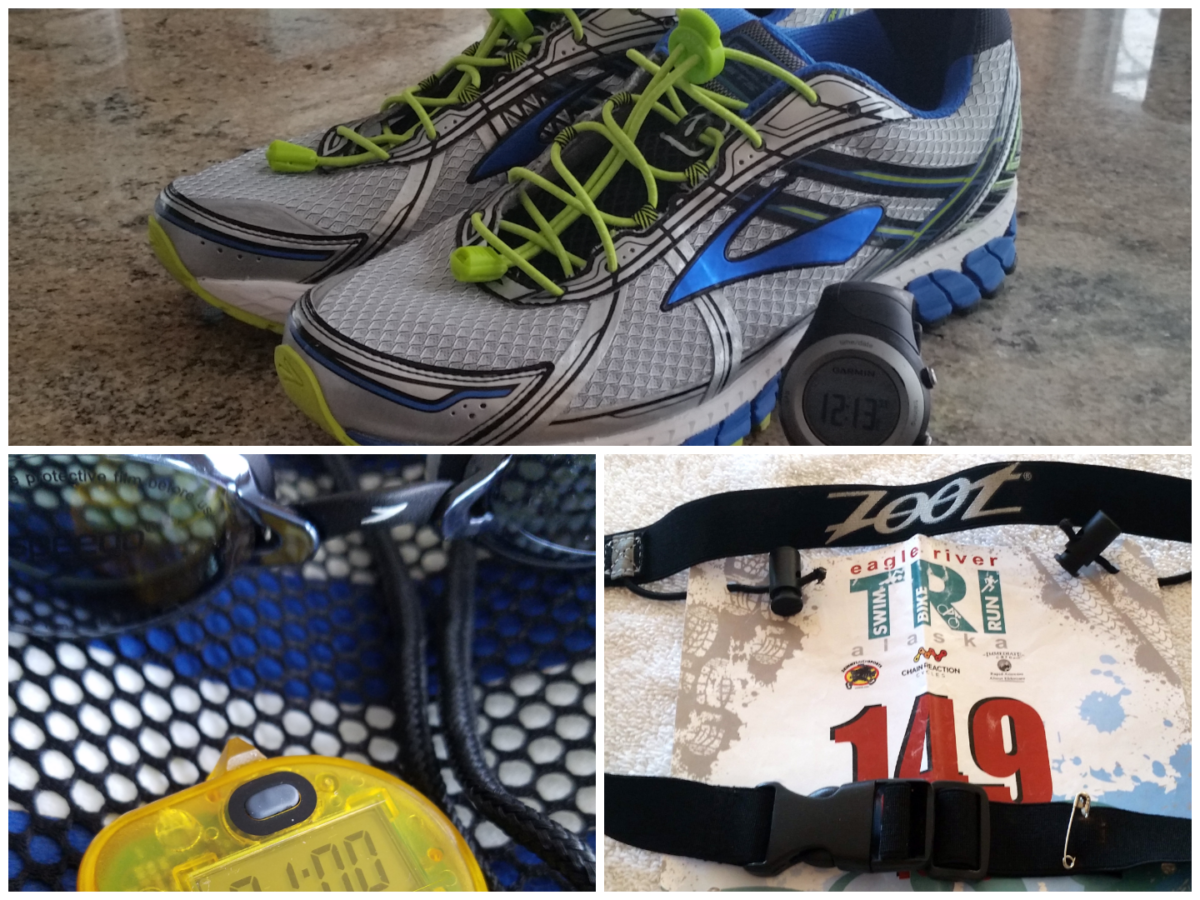
Getting started in triathlon doesn’t require a second mortgage. You can begin with minimal gear and invest more as your passion for the sport grows. To help you get started, here’s a two-tiered checklist focused on the needs of athletes over 50.
BASIC: The Essentials
This checklist covers what you absolutely need to complete your first sprint or super sprint triathlon safely and comfortably.
Swim
- Swimsuit: A one-piece for women, or jammers/briefs for men.
- Goggles: A comfortable pair that fits well and doesn’t leak.
- Swim Cap: Often provided by the race, but having your own is good for training.
Bike
- Bicycle: You can use any roadworthy bike—a road bike, hybrid, or even a mountain bike will work for your first race. Focus on comfort and fit.
- Helmet: This is non-negotiable. A CPSC-certified helmet is required for all triathlon races.
- Running Shoes: You can wear your running shoes on the bike for your first race, clipped pedals are a future goal.
- Water Bottle: Essential for hydration during the ride.
Run
- Running Shoes: A comfortable, well-fitting pair of running shoes is your most important piece of gear. Consider being fitted at a running specialty store.
- Socks: A pair that wicks moisture to prevent blisters.
Race Day
- Tri Suit: While a tri suit is convenient, for your first race, a swimsuit for the swim and comfortable athletic clothes for the bike and run will suffice.
- Race Belt: An elastic belt to hold your race bib number, so you don’t have to pin it to your shirt.
- Sunscreen: Protect your skin, especially if you’re fair-skinned. However, choose a product based on natural SPFs such as Badger Sport mineral sunscreen.
- Nutritional Gels/Chews: These are not necessary for a sprint or shorter distance race, but you may want to use them during longer training sessions. I used gummy bears for my first triathlon.
NEXT LEVEL: Upgrading Your Gear
Once you’ve fallen in love with the sport, you may want to upgrade to gear that can improve performance, comfort, and safety.
Swim:
- Wetsuit: Required for open water swims in colder temperatures and can also provide buoyancy, making swimming easier.
- Anti-Fog Spray: For your goggles.
Bike:
- Road or Triathlon Bike: A lighter, more efficient bike designed for speed and endurance.
Related Post: Five Factors For Selecting a Bike For Triathlon
- Padded Bike Shorts or Tri Shorts: Provides comfort on longer rides.
- Bike-Specific Shoes and Clipless Pedals: Allows you to generate more power and ride more efficiently.
- Cycling Sunglasses: Provides eye protection from sun, wind, and debris.
- Repair Kit: A small bag with tire levers, a spare tube, and a CO2 inflator or small pump.
Run
- Race-Specific Running Shoes: Lighter shoes designed for speed on race day.
- Elastic Laces: Also known as “lock laces”, these reduce the bike to run transition time.
- Running Hat/Visor: Shields your face from the sun.
Technology & Accessories
- GPS Watch: A multi-sport watch to track your swim, bike, and run metrics.
- Heart Rate Monitor: Helps you train in the correct zones for your goals.
- Bike Computer: Tracks speed, distance, and other metrics in real-time.
- Transition Towel: A bright towel to easily identify your spot in the transition area.
- Recovery Aids: A foam roller and massage gun are helpful for speeding recovery during your training phase.
What Did I Miss?
Are there any items you consider essential not included in this list?
Subscribe
0 Comments





Comments: We’d love to hear about your experience. Join the conversation below. All comments are reviewed before they appear.
Reply notifications: Click the bell icon above Post Comment to be notified when someone replies to your comment.
Follow the discussion: Click Subscribe above the comment box and enter your email address to receive notifications whenever a new comment is added—even if you don’t leave a comment. After subscribing, check your email and click Confirm to activate notifications.